International
ADVANCED AND APPLIED SCIENCES
EISSN: 2313-3724, Print ISSN: 2313-626X
Frequency: 12


Volume 13, Issue 3 (March 2026), Pages: 164-173

----------------------------------------------
Original Research Paper
Factors affecting the development of human resources for digital transformation in state-owned enterprises in Vietnam
Author(s):
Affiliation(s):
Faculty of Business Administration, Academy of Policy and Development, Hanoi, Vietnam
Full text

* Corresponding Author.
 Corresponding author's ORCID profile: https://orcid.org/0009-0004-4489-5042
Digital Object Identifier (DOI)
https://doi.org/10.21833/ijaas.2026.03.016
Abstract
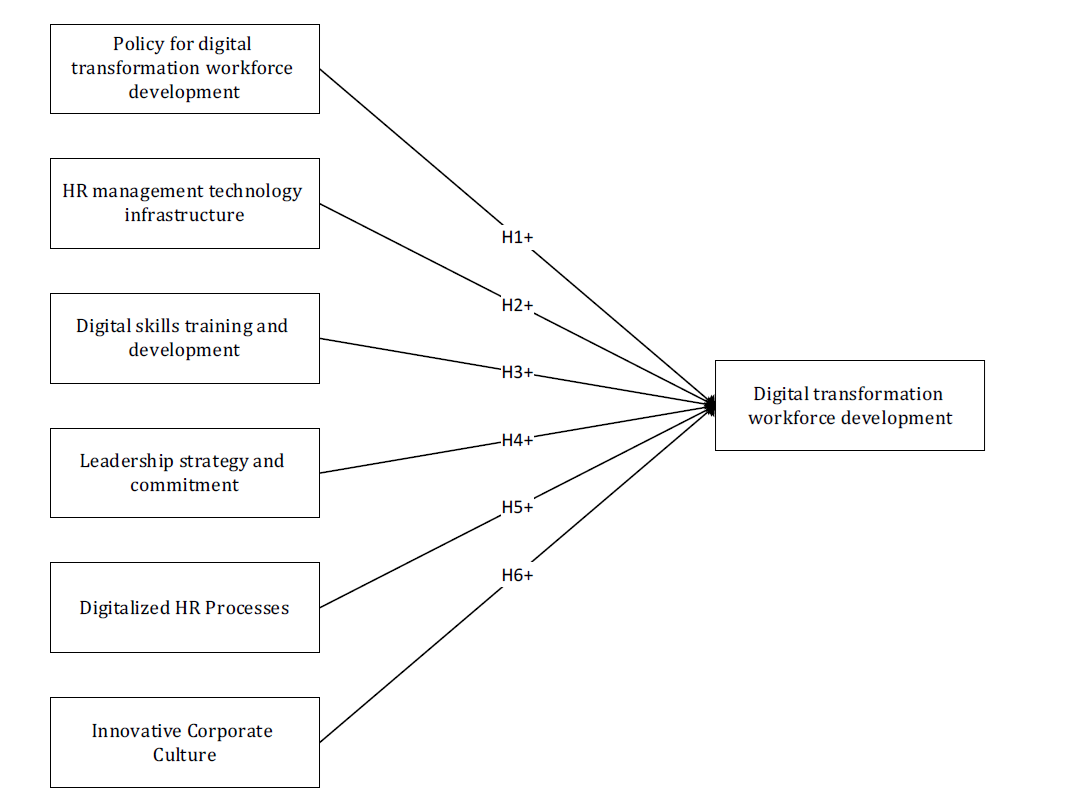
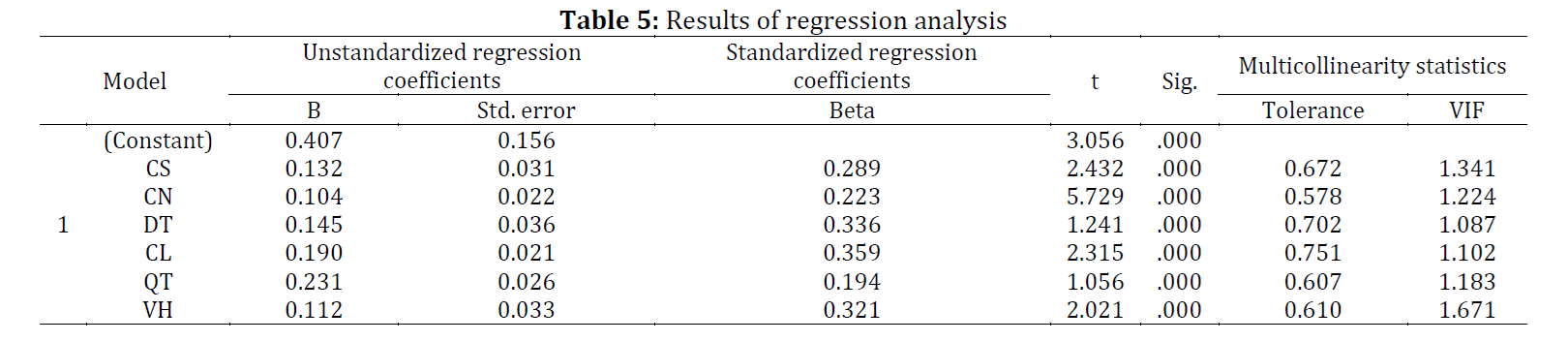
This study investigates the key organizational factors that influence the development of digital transformation human resources in Vietnamese state-owned enterprises (SOEs). The research is based on an integrated theoretical framework that combines the Resource-Based View, Human Capital Theory, Adaptive Structuration Theory, and innovation culture perspectives. A six-factor model is proposed, including: (i) policies for developing digital transformation human resources, (ii) HR technology infrastructure, (iii) digital skills training and development, (iv) leadership strategy and commitment, (v) digitalized HR processes, and (vi) innovative corporate culture. Data were collected from 326 respondents, including senior executives, HR managers, and employees from 18 large SOEs in key sectors. The analysis was conducted using Cronbach’s alpha, exploratory factor analysis, and multiple regression. The results show that all six factors have a positive effect on digital HR capability. Leadership strategy and commitment have the strongest influence, followed by digital skills training and innovative culture. Digitalized HR processes have the weakest, but still significant, effect. These findings emphasize the importance of strong leadership and continuous capability development for successful digital transformation in SOEs. They also indicate that simply automating HR activities without improving organizational processes and culture may have limited benefits. This study provides empirical evidence from a relatively underexplored context and offers practical policy and managerial implications for supporting digital transformation in state-owned enterprises.
© 2026 The Authors. Published by IASE.
This is an
Keywords
State-owned enterprises, Digital transformation, Human resource development, Digital HR capability, Vietnam
Article history
Received 23 October 2025, Received in revised form 7 March 2026, Accepted 11 March 2026
Acknowledgment
No Acknowledgment.
Compliance with ethical standards
Ethical considerations:
Ethical approval was sought and granted for this study. All participants provided informed consent, and their participation was strictly voluntary. Confidentiality and anonymity were strictly maintained throughout the data collection and analysis process, ensuring that no individual respondent could be identified.
Conflict of interest: The author(s) declared no potential conflicts of interest with respect to the research, authorship, and/or publication of this article.Citation:
Dam TH (2026). Factors affecting the development of human resources for digital transformation in state-owned enterprises in Vietnam. International Journal of Advanced and Applied Sciences, 13(3): 164-173
Figures
Tables
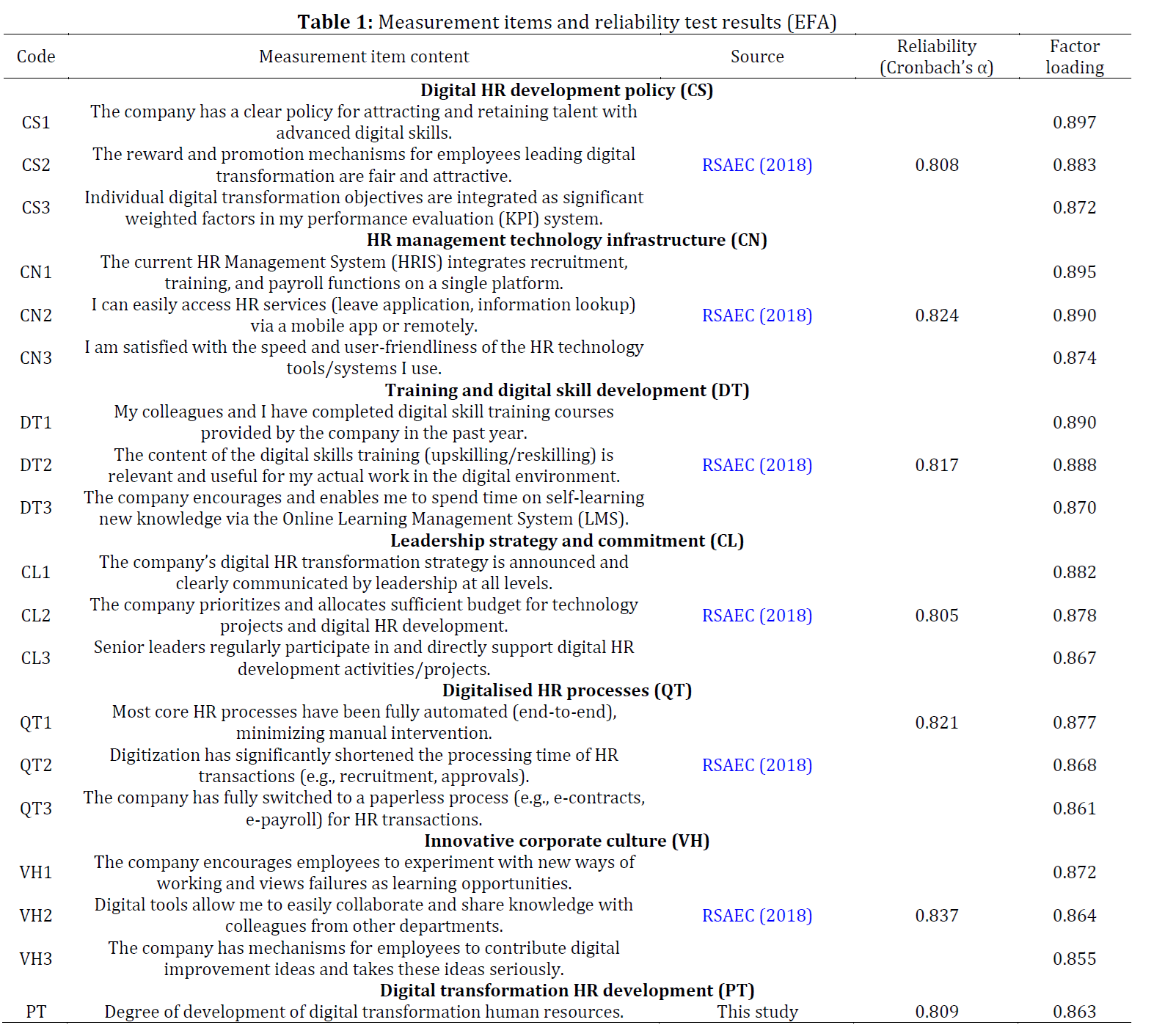
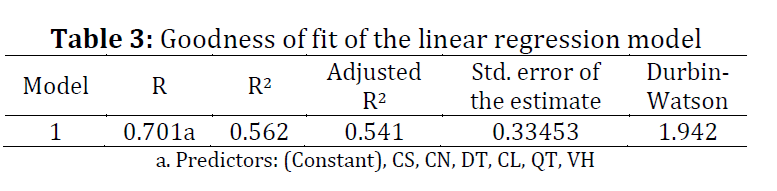
Table 1 Table 2 Table 3 Table 4 Table 5


----------------------------------------------
References (12)
Barney J (1991). Firm resources and sustained competitive advantage. Journal of Management, 17(1): 99-120. https://doi.org/10.1177/014920639101700108 [Google Scholar]
DeSanctis G and Poole MS (1994). Capturing the complexity in advanced technology use: Adaptive structuration theory. Organization Science, 5(2): 121-147. https://doi.org/10.1287/orsc.5.2.121 [Google Scholar]
Granovetter M (1985). Economic action and social structure: The problem of embeddedness. American Journal of Sociology, 91(3): 481-510. https://doi.org/10.1086/228311 [Google Scholar]
House R, Javidan M, Hanges P, and Dorfman P (2002). Understanding cultures and implicit leadership theories across the globe: An introduction to project GLOBE. Journal of World Business, 37(1): 3-10. https://doi.org/10.1016/S1090-9516(01)00069-4 [Google Scholar]
Huynh Thi Thu S, Phạm M, and Luc HN (2025). Leveraging digital human resource management to optimize organizational performance in Vietnam. Humanities and Social Sciences Communications, 12: 802. https://doi.org/10.1057/s41599-025-05113-2 [Google Scholar]
Nahapiet J and Ghoshal S (1998). Social capital, intellectual capital, and the organizational advantage. Academy of Management Review, 23(2): 242-266. https://doi.org/10.2307/259373 [Google Scholar]
OECD (2017). OECD digital economy outlook 2017. OECD Publishing, Paris, France. https://doi.org/10.1787/9789264276284-en [Google Scholar]
Phạm TTH, Ngoc TTB, Cuong DM, Binh DT, and Si LT (2024). Digital skills of human resources: Exploratory research of innovations in enterprises. HighTech and Innovation Journal, 5(3): 730-742. https://doi.org/10.28991/HIJ-2024-05-03-013 [Google Scholar]
RSAEC (2018). Annual report 2018. Rosatom State Atomic Energy Corporation. Available online at: https://report.rosatom.ru/go_eng/go_rosatom_eng_2018/go_eng_2018.pdf
Sousa MJ and Rocha Á (2019). Skills for disruptive digital business. Journal of Business Research, 94: 257-263. https://doi.org/10.1016/j.jbusres.2017.12.051 [Google Scholar]
Tornatzky LG and Fleischer M (1990). The processes of technological innovation. Lexington Books, Blue Ridge Summit, USA. [Google Scholar]
- Wang Y, Yu Z, Zeng Z, Yang L, Wang C, Chen H, Jiang C, Xie R, Wang J, Xie X, Ye W, Zhang S, and Zhang Y (2023). PandaLM: An automatic evaluation benchmark for LLM instruction tuning optimization. ArXiv Preprint ArXiv:2306.05087. https://doi.org/10.48550/arXiv.2306.05087 [Google Scholar]