
International
ADVANCED AND APPLIED SCIENCES
EISSN: 2313-3724, Print ISSN: 2313-626X
Frequency: 12


Volume 13, Issue 1 (January 2026), Pages: 183-189

----------------------------------------------
Original Research Paper
Flexibility and body composition: An analysis of sit-and-reach performance and body mass index in first-year undergraduate students
Author(s):
Affiliation(s):
College of Education, Nueva Ecija University of Science and Technology, Cabanatuan City, Philippines
Full text

* Corresponding Author.
 Corresponding author's ORCID profile: https://orcid.org/0000-0001-8694-8027
Digital Object Identifier (DOI)
https://doi.org/10.21833/ijaas.2026.01.019
Abstract
Flexibility and body composition are important components of physical fitness and play a key role in health promotion and disease prevention. As sedentary lifestyles increase worldwide, it is important to assess health indicators in different populations, particularly in the Philippines, where the prevalence of overweight and obesity is rising. This study examined the relationship between flexibility and body composition using the sit-and-reach test and body mass index (BMI). A cross-sectional observational design was applied to 130 first-year undergraduate students at Nueva Ecija University of Science and Technology in the Philippines. Data on age, height, weight, and BMI were collected, and flexibility was assessed using the sit-and-reach test. Descriptive statistics, Pearson correlation analysis, and t-tests were used for data analysis. The results showed sex-based differences in demographic and body composition characteristics, with males generally having higher BMI values and females showing a higher prevalence of underweight. Although flexibility scores varied widely among participants, no statistically significant relationship was found between flexibility and sex, age, or BMI. These findings highlight the complex nature of flexibility and suggest that future studies should consider lifestyle factors, levels of physical activity, and genetic influences when designing health interventions for university students.
© 2026 The Authors. Published by IASE.
This is an
Keywords
Physical fitness, Flexibility, Body mass index, University students, Sedentary lifestyle
Article history
Received 11 September 2025, Received in revised form 3 January 2026, Accepted 10 January 2026
Acknowledgment
The author gratefully acknowledges the administration and faculty of Nueva Ecija University of Science and Technology (NEUST), San Isidro Campus, for granting permission to conduct this study at the College of Education. Sincere thanks are extended to the 130 first-year undergraduate students who voluntarily participated in the study. The author also acknowledges previous researchers whose work on physical fitness and health indicators in the Philippines provided valuable background for this research.
Compliance with ethical standards
Ethical considerations
The study was conducted in accordance with institutional ethical standards and the principles of the Declaration of Helsinki. Participation was voluntary, and all students provided informed consent after receiving a clear explanation of the study objectives and procedures. Participant safety was ensured through health screening using the Physical Activity Readiness Questionnaire (PAR-Q), and appropriate exclusion criteria were applied. Official permission for participant recruitment and data collection was obtained from the relevant faculty and administrative authorities.
Conflict of interest: The author(s) declared no potential conflicts of interest with respect to the research, authorship, and/or publication of this article.
Citation:
Samonte KS (2026). Flexibility and body composition: An analysis of sit-and-reach performance and body mass index in first-year undergraduate students. International Journal of Advanced and Applied Sciences, 13(1): 183-189
Figures
No Figure
Tables
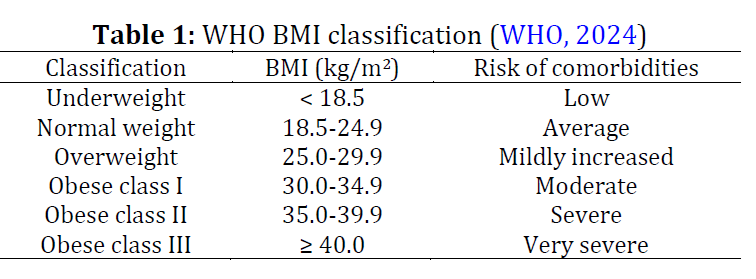
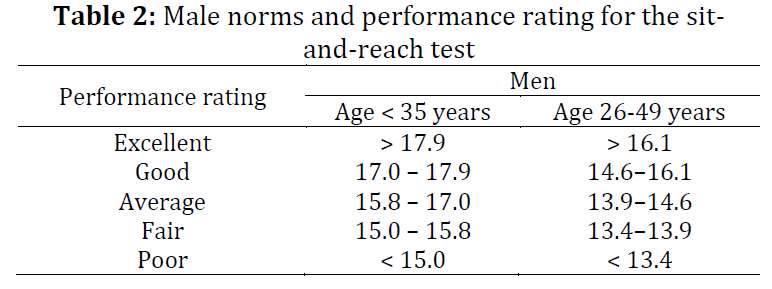
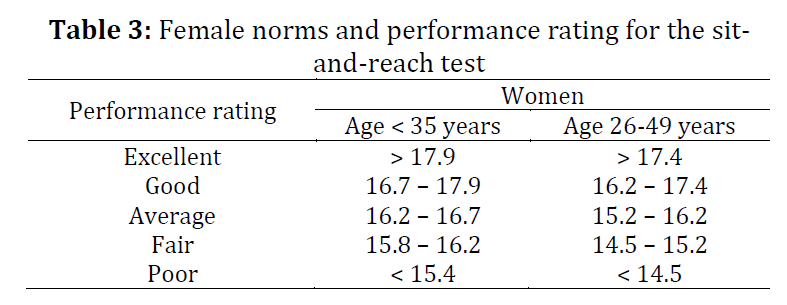
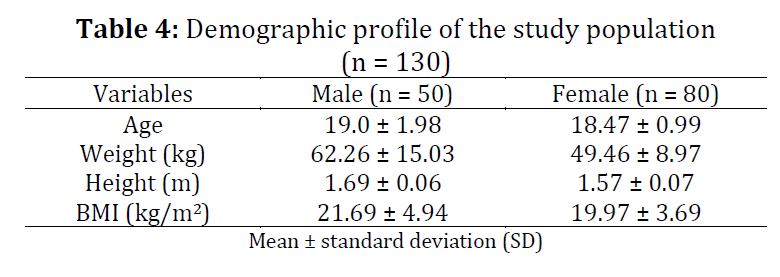
Table 1 Table 2 Table 3 Table 4 Table 5 Table 6 Table 7 Table 8

----------------------------------------------
References (18)
- Al-Hazzaa HM, Abahussain NA, Al-Sobayel HI, Qahwaji DM, and Musaiger AO (2011). Physical activity, sedentary behaviors and dietary habits among Saudi adolescents relative to age, gender and region. International Journal of Behavioral Nutrition and Physical Activity, 8: 140. https://doi.org/10.1186/1479-5868-8-140 [Google Scholar] PMid:22188825 PMCid:PMC3339333
- Alkazemi D (2019). Gender differences in weight status, dietary habits, and health attitudes among college students in Kuwait: A cross-sectional study. Nutrition and Health, 25(2): 75-84. https://doi.org/10.1177/0260106018817410 [Google Scholar] PMid:30554554 PMCid:PMC6542002
- Bayartai ME, Ferreira PH, Pappas E, Pinheiro MB, Dambadarjaa B, Khuyagbaatar E, and Sullivan J (2020). Genetic and environmental effects on lumbar posture, flexibility and motion control in healthy adults. Musculoskeletal Science and Practice, 50: 102253. https://doi.org/10.1016/j.msksp.2020.102253 [Google Scholar] PMid:32920227
- El-Alameey IR, Al-Aswad WA, Khojah RM, Al-Rehaili RD, Al-Saedi LA, and Al-Buladi YS (2023). Relationship between dietary habits, lifestyle risk factors and dysglycemia among patients with type 2 diabetes Mellitus in Al Madinah Al Munawara, Saudi Arabia. Biomedical and Pharmacology Journal, 16(3): 1405-1414. https://doi.org/10.13005/bpj/2718 [Google Scholar]
- Gavilán-Carrera B, Garcia da Silva J, Vargas-Hitos JA et al. (2019). Association of physical fitness components and health-related quality of life in women with systemic lupus erythematosus with mild disease activity. PLOS ONE, 14(2): e0212436. https://doi.org/10.1371/journal.pone.0212436 [Google Scholar] PMid:30785923 PMCid:PMC6382148
- Gite AA, Mukkamala N, and Parmar L (2021). Relationship between body mass index and flexibility in young adults. Journal of Pharmaceutical Research International, 33(32A): 119-26. https://doi.org/10.9734/jpri/2021/v33i32A31723 [Google Scholar]
- Goossens GH (2017). The metabolic phenotype in obesity: Fat mass, body fat distribution, and adipose tissue function. Obesity Facts, 10(3): 207-215. https://doi.org/10.1159/000471488 [Google Scholar] PMid:28564650 PMCid:PMC5644968
- Jacinto M, Monteiro D, Rodrigues F, Diz S, Matos R, Amaro N, and Antunes R (2024). Gender differences in anthropometric, functional capacity measures and quality of life in individuals with intellectual and developmental disabilities. Journal of Functional Morphology and Kinesiology, 9(2): 84. https://doi.org/10.3390/jfmk9020084 [Google Scholar] PMid:38804450 PMCid:PMC11130869
- Katzmarzyk PT, Friedenreich C, Shiroma EJ, and Lee IM (2022). Physical inactivity and non-communicable disease burden in low-income, middle-income and high-income countries. British Journal of Sports Medicine, 56(2): 101-106. https://doi.org/10.1136/bjsports-2020-103640 [Google Scholar] PMid:33782046 PMCid:PMC8478970
- Kuan PX, Ho HL, Shuhaili MS, Siti AA, and Gudum HR (2011). Gender differences in body mass index, body weight perception and weight loss strategies among undergraduates in Universiti Malaysia Sarawak. Malaysian Journal of Nutrition, 17(1): 67-75. [Google Scholar]
- Latorre Román PÁ, Villar Macias FJ, and García Pinillos F (2018). Effects of a contrast training programme on jumping, sprinting and agility performance of prepubertal basketball players. Journal of Sports Sciences, 36(7): 802-808. https://doi.org/10.1080/02640414.2017.1340662 [Google Scholar] PMid:28636435
- Mahindru A, Patil P, and Agrawal V (2023). Role of physical activity on mental health and well-being: A review. Cureus, 15(1): e33475. https://doi.org/10.7759/cureus.33475 [Google Scholar] PMid:36756008 PMCid:PMC9902068
- Saintila J, Calizaya-Milla YE, Carranza-Cubas SP, Serpa-Barrientos A, Oblitas-Guerrero SM, and Ramos-Vera C (2024). Body mass index and healthy lifestyle practices among Peruvian university students: A comparative study among academic discipline. Frontiers in Nutrition, 11: 1361394. https://doi.org/10.3389/fnut.2024.1361394 [Google Scholar] PMid:38450241 PMCid:PMC10915028
- Stefani L and Galanti G (2017). Physical exercise prescription in metabolic chronic disease. In: Shen B (Ed.), Translational informatics in smart healthcare: 123-141. Volume 1005, Springer, Singapore, Singapore. https://doi.org/10.1007/978-981-10-5717-5_6 [Google Scholar] PMid:28916931
- van Ommen B, van der Greef J, Ordovas JM, and Daniel H (2014). Phenotypic flexibility as key factor in the human nutrition and health relationship. Genes & Nutrition, 9: 423. https://doi.org/10.1007/s12263-014-0423-5 [Google Scholar] PMid:25106484 PMCid:PMC4172643
- Wang X and Cheng Z (2020). Cross-sectional studies: Strengths, weaknesses, and recommendations. Chest, 158(1): S65-S71. https://doi.org/10.1016/j.chest.2020.03.012 [Google Scholar] PMid:32658654
- WHO (2024). Controlling the global obesity epidemic. World Health Organization, Geneva, Switzerland. [Google Scholar]
- Yoo TK, Park SH, Park SJ, and Lee JY (2022). Impact of sex on the association between flexibility and arterial stiffness in older adults. Medicina, 58(6): 789. https://doi.org/10.3390/medicina58060789 [Google Scholar] PMid:35744052 PMCid:PMC9229439