
International
ADVANCED AND APPLIED SCIENCES
EISSN: 2313-3724, Print ISSN: 2313-626X
Frequency: 12


Volume 13, Issue 1 (January 2026), Pages: 13-26

----------------------------------------------
Original Research Paper
Early diagnosis of end-stage renal disease risk in type 2 diabetes mellitus using advanced analysis of clinical laboratory data
Author(s):
Affiliation(s):
1Department of Computer Science and Engineering, Lincoln University College, Petaling Jaya, Malaysia
2Department of Medical Laboratory Technology (MLT), Faculty of Applied Medical Sciences, King Abdulaziz University, Jeddah, Saudi Arabia
3Faculty of Medicine, King Abdulaziz University, Jeddah, Saudi Arabia
4Center for Research Impact & Outcome, Chitkara University Institute of Engineering and Technology, Chitkara University, Rajpura, Punjab 140401, India
Full text

* Corresponding Author.
 Corresponding author's ORCID profile: https://orcid.org/0000-0001-7696-0452
Digital Object Identifier (DOI)
https://doi.org/10.21833/ijaas.2026.01.002
Abstract
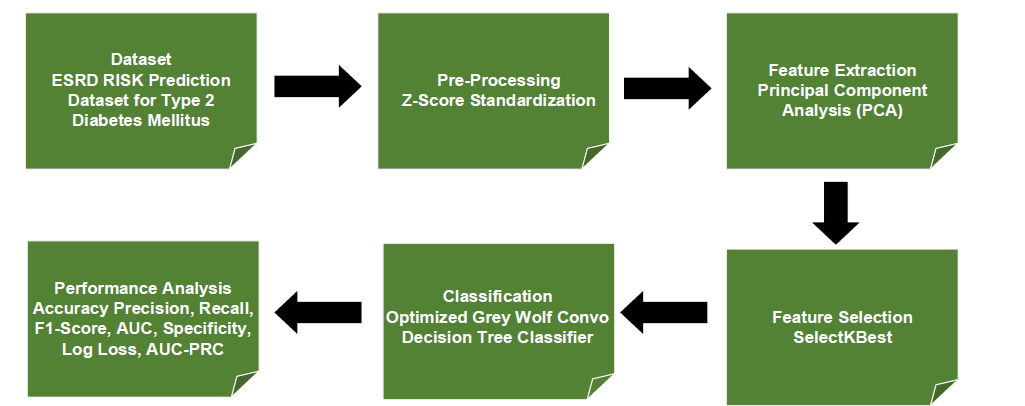
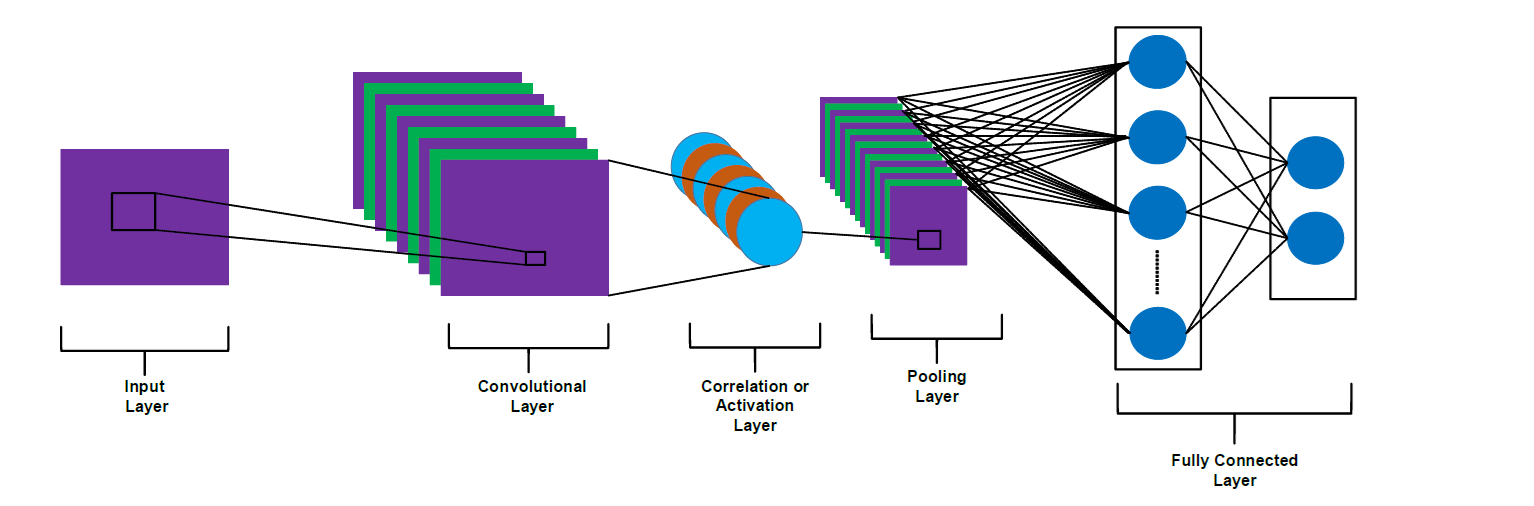
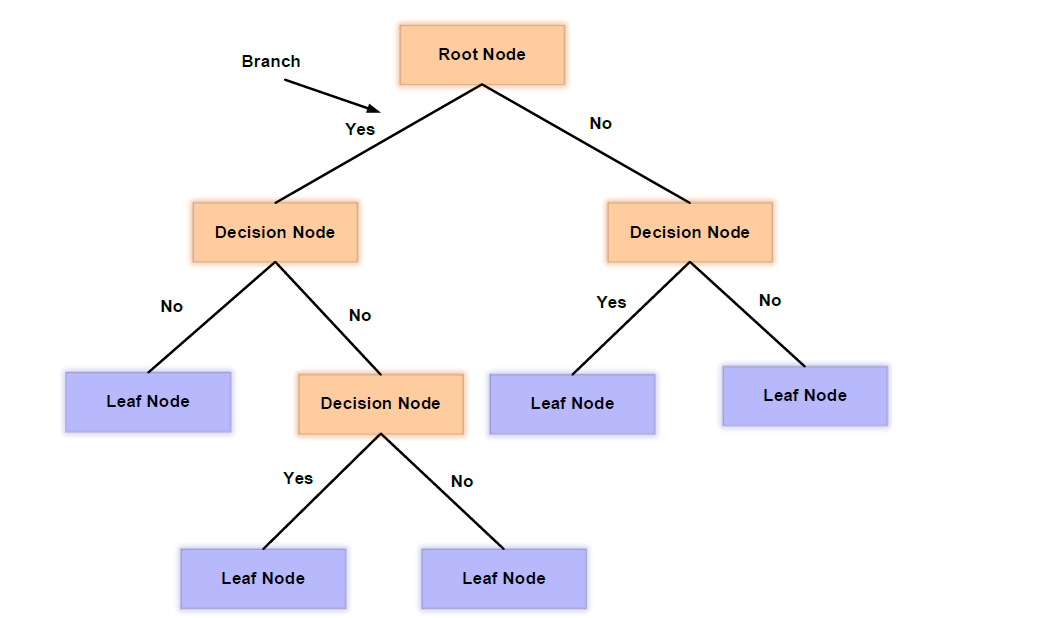
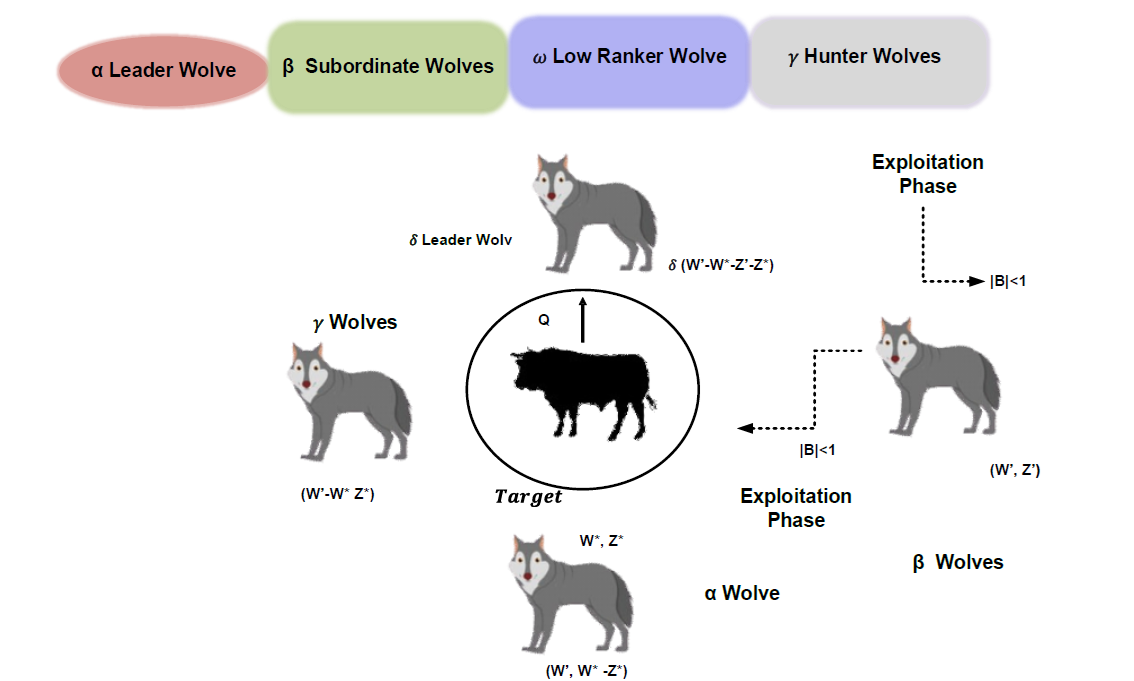
End-stage renal disease (ESRD) is a serious complication of Type 2 Diabetes Mellitus (T2DM) and has a significant negative effect on patient health. Early and accurate detection is essential but difficult to achieve in clinical settings. This study introduces an Optimized Grey Wolf Convolutional Decision Tree (OGW-ConvDT) classifier to predict the risk of ESRD by combining advanced machine learning techniques with clinical laboratory data. The model uses Z-score standardization for data normalization, Principal Component Analysis (PCA) to reduce data dimensions, and the SelectKBest method for selecting the most important features. A Convolutional Neural Network (CNN) is used to extract spatial features, and a Decision Tree (DT), optimized using the Grey Wolf (GW) algorithm, performs the final classification. The proposed method was tested on a publicly available dataset from Kaggle and achieved strong performance: precision (0.996), F1-score (0.996), recall (0.997), accuracy (0.997), AUC (0.999), specificity (0.959), log loss (0.009), and AUC-PRC (0.824). These results show that the OGW-ConvDT model performs better than traditional methods and provides an effective and reliable tool for early ESRD risk detection in T2DM patients.
© 2025 The Authors. Published by IASE.
This is an
Keywords
End-stage renal disease, Type 2 diabetes, Risk prediction, Machine learning, Decision tree
Article history
Received 1 July 2025, Received in revised form 4 November 2025, Accepted 9 December 2025
Acknowledgment
No Acknowledgment.
Compliance with ethical standards
Ethical considerations
This study was conducted using a publicly available and fully anonymized dataset obtained from Kaggle. All patient identifiers were removed by the data providers prior to release. All procedures were performed in accordance with relevant guidelines and regulations.
Conflict of interest: The author(s) declared no potential conflicts of interest with respect to the research, authorship, and/or publication of this article.
Citation:
Munshi RM, Alyahyawy OY, Munshi LR, and Gupta SK (2026). Early diagnosis of end-stage renal disease risk in type 2 diabetes mellitus using advanced analysis of clinical laboratory data. International Journal of Advanced and Applied Sciences, 13(1): 13-26
Figures
Fig. 1 Fig. 2 Fig. 3 Fig. 4 Fig. 5 Fig. 6 Fig. 7 Fig. 8 Fig. 9 Fig. 10 Fig. 11 Fig. 12

Tables
Table 1 Table 2 Table 3 Table 4



----------------------------------------------
References (19)
- Aamir A, Iqbal A, Jawed F et al. (2024). Exploring the current and prospective role of artificial intelligence in disease diagnosis. Annals of Medicine and Surgery, 86(2): 943-949. https://doi.org/10.1097/MS9.0000000000001700 [Google Scholar] PMid:38333305 PMCid:PMC10849462
- Adeoye S and Adams R (2024). Leveraging artificial intelligence for predictive healthcare: A data-driven approach to early diagnosis and personalized treatment. Cognizance Journal of Multidisciplinary Studies, 4: 80-97. https://doi.org/10.47760/cognizance.2024.v04i11.006 [Google Scholar]
- Ain QU, Nazir R, Nawaz A, Shahbaz H, Dilshad A, Mufti IU, and Iftikhar M (2024). Machine learning approach towards quality assurance, challenges and possible strategies in laboratory medicine. Journal of Clinical and Translational Pathology, 4(2): 76-87. https://doi.org/10.14218/JCTP.2023.00061 [Google Scholar]
- Almutairi NG, Almutairi RG, Arab NF et al. (2025). Data-driven innovation in modern laboratories: Harnessing big data for better outcomes. Journal of Ecohumanism, 4(2): 279–289. https://doi.org/10.62754/joe.v4i2.5978 [Google Scholar]
- Bai Q, Su C, Tang W, and Li Y (2022). Machine learning to predict end stage kidney disease in chronic kidney disease. Scientific Reports, 12: 8377. https://doi.org/10.1038/s41598-022-12316-z [Google Scholar] PMid:35589908 PMCid:PMC9120106
- Dong Z, Wang Q, Ke Y et al. (2022). Prediction of 3-year risk of diabetic kidney disease using machine learning based on electronic medical records. Journal of Translational Medicine, 20: 143. https://doi.org/10.1016/j.ekir.2022.01.346 [Google Scholar]
- Hosseini Sarkhosh SM, Hemmatabadi M, and Esteghamati A (2023). Development and validation of a risk score for diabetic kidney disease prediction in type 2 diabetes patients: A machine learning approach. Journal of Endocrinological Investigation, 46: 415-423. https://doi.org/10.1007/s40618-022-01919-y [Google Scholar] PMid:36114952
- Hsu CT, Huang CY, Chen CH, Deng YL, Lin SY, and Wu MJ (2025). Machine learning models to predict osteoporosis in patients with chronic kidney disease stage 3–5 and end-stage kidney disease. Scientific Reports, 15: 11391. https://doi.org/10.1038/s41598-025-95928-5 [Google Scholar] PMid:40181057 PMCid:PMC11968914
- Hsu CT, Pai KC, Chen LC, Lin SH, and Wu MJ (2023). Machine learning models to predict the risk of rapidly progressive kidney disease and the need for nephrology referral in adult patients with type 2 diabetes. International Journal of Environmental Research and Public Health, 20(4): 3396. https://doi.org/10.3390/ijerph20043396 [Google Scholar] PMid:36834088 PMCid:PMC9967274
- Kanda E, Suzuki A, Makino M, Tsubota H, Kanemata S, Shirakawa K, and Yajima T (2022). Machine learning models for prediction of HF and CKD development in early-stage type 2 diabetes patients. Scientific Reports, 12: 20012. https://doi.org/10.1038/s41598-022-24562-2 [Google Scholar] PMid:36411366 PMCid:PMC9678863
- Liu XZ, Duan M, Huang HD, Zhang Y, Xiang TY, Niu WC, Zhou B, Wang HL, and Zhang TT (2023). Predicting diabetic kidney disease for type 2 diabetes mellitus by machine learning in the real world: A multicenter retrospective study. Frontiers in Endocrinology, 14: 1184190. https://doi.org/10.3389/fendo.2023.1184190 [Google Scholar] PMid:37469989 PMCid:PMC10352831
- Ou SM, Tsai MT, Lee KH et al. (2023). Prediction of the risk of developing end-stage renal diseases in newly diagnosed type 2 diabetes mellitus using artificial intelligence algorithms. BioData Mining, 16: 8. https://doi.org/10.1186/s13040-023-00324-2 [Google Scholar] PMid:36899426 PMCid:PMC10007785
- Reddy KV, Saketh G, Priyanshu SS, Nitesh M, Hussain SK, and Sharma KV (2025). AI-driven healthcare management platform: Enhancing accessibility, efficiency, and security in digital health systems. Synthesis: A Multidisciplinary Research Journal, 3(1): 1-14. [Google Scholar]
- Tupsakhare P and Kulkarni T (2025). Healthcare technology testing: An AI-driven approach. Journal of Advances in Developmental Research, 16(1): 1-10. [Google Scholar]
- Wang S, Han J, Jung SY, Oh TJ, Yao S, Lim S, Hwang H, Lee HY, and Lee H (2022). Development and implementation of patient-level prediction models of end-stage renal disease for type 2 diabetes patients using fast healthcare interoperability resources. Scientific Reports, 12: 11232. https://doi.org/10.1038/s41598-022-15036-6 [Google Scholar] PMid:35789173 PMCid:PMC9253099
- Watanabe M, Meguro S, Kimura K, Furukoshi M, Masuda T, Enomoto M, and Itoh H (2025). A machine learning model for predicting worsening renal function using one‐year time series data in patients with type 2 diabetes. Journal of Diabetes Investigation, 16(1): 93-99. https://doi.org/10.1111/jdi.14309 [Google Scholar] PMid:39539021 PMCid:PMC11693562
- Xie H, Jia Y, and Liu S (2024). Integration of artificial intelligence in clinical laboratory medicine: Advancements and challenges. Interdisciplinary Medicine, 2(3): e20230056. https://doi.org/10.1002/INMD.20230056 [Google Scholar]
- Zou LX, Wang X, Hou ZL, Sun L, and Lu JT (2025). Machine learning algorithms for diabetic kidney disease risk predictive model of Chinese patients with type 2 diabetes mellitus. Renal Failure, 47(1): 2486558. https://doi.org/10.1080/0886022X.2025.2486558 [Google Scholar] PMid:40195601 PMCid:PMC11983574
- Zou Y, Zhao L, Zhang J et al. (2022). Development and internal validation of machine learning algorithms for end-stage renal disease risk prediction model of people with type 2 diabetes mellitus and diabetic kidney disease. Renal Failure, 44(1): 562-570. https://doi.org/10.1080/0886022X.2022.2056053 [Google Scholar] PMid:35373711 PMCid:PMC8986220