
International
ADVANCED AND APPLIED SCIENCES
EISSN: 2313-3724, Print ISSN: 2313-626X
Frequency: 12


Volume 12, Issue 12 (December 2025), Pages: 192-206

----------------------------------------------
Original Research Paper
TeacherEval: An AHP-TOPSIS system for data-driven teacher evaluation in the Sultanate of Oman
Author(s):
Affiliation(s):
1Faculty of Computing and IT, Sohar University, Sohar, Oman
2Ministry of Education, Muscat, Oman
3Faculty of Education Studies, Arab Open University, Amman, Jordan
Full text

* Corresponding Author.
 Corresponding author's ORCID profile: https://orcid.org/0000-0002-3204-8143
Digital Object Identifier (DOI)
https://doi.org/10.21833/ijaas.2025.12.017
Abstract
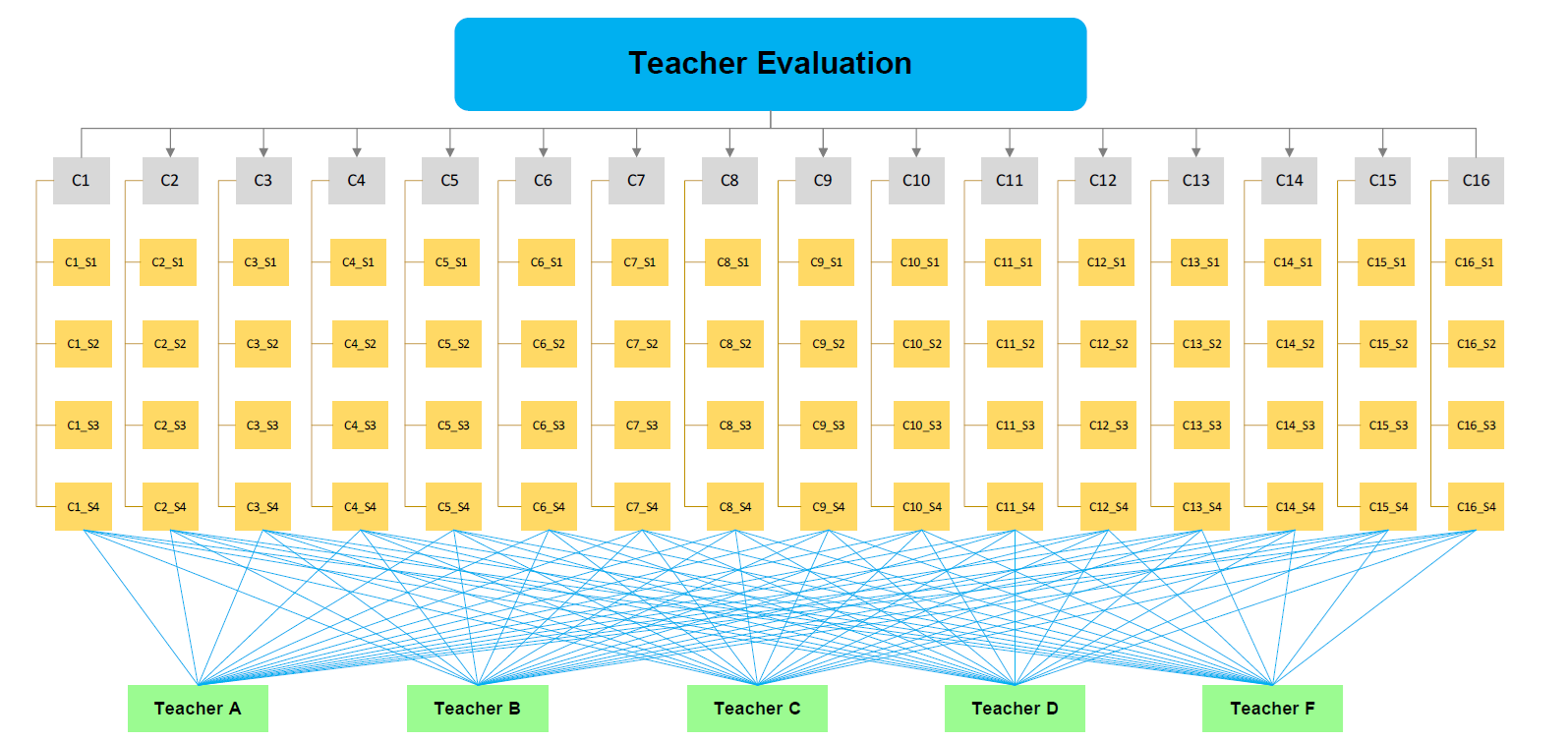
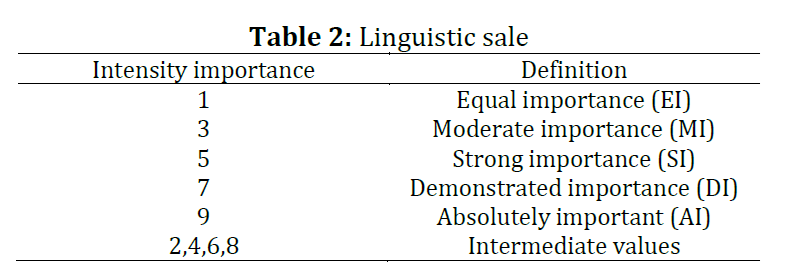
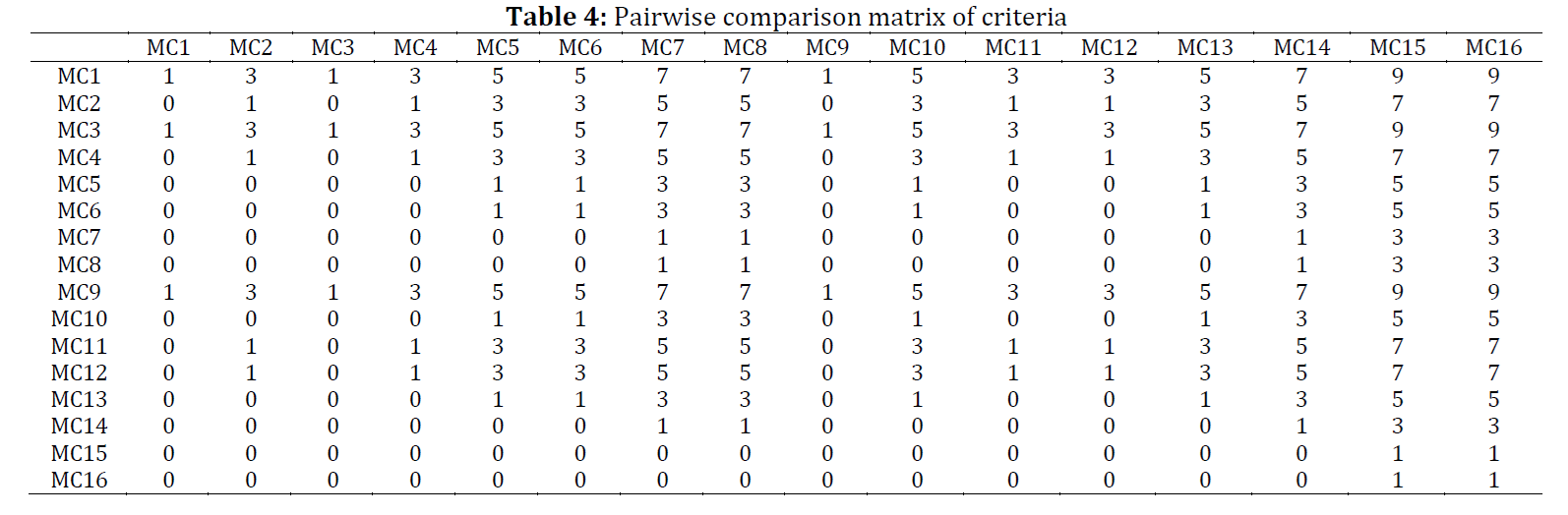
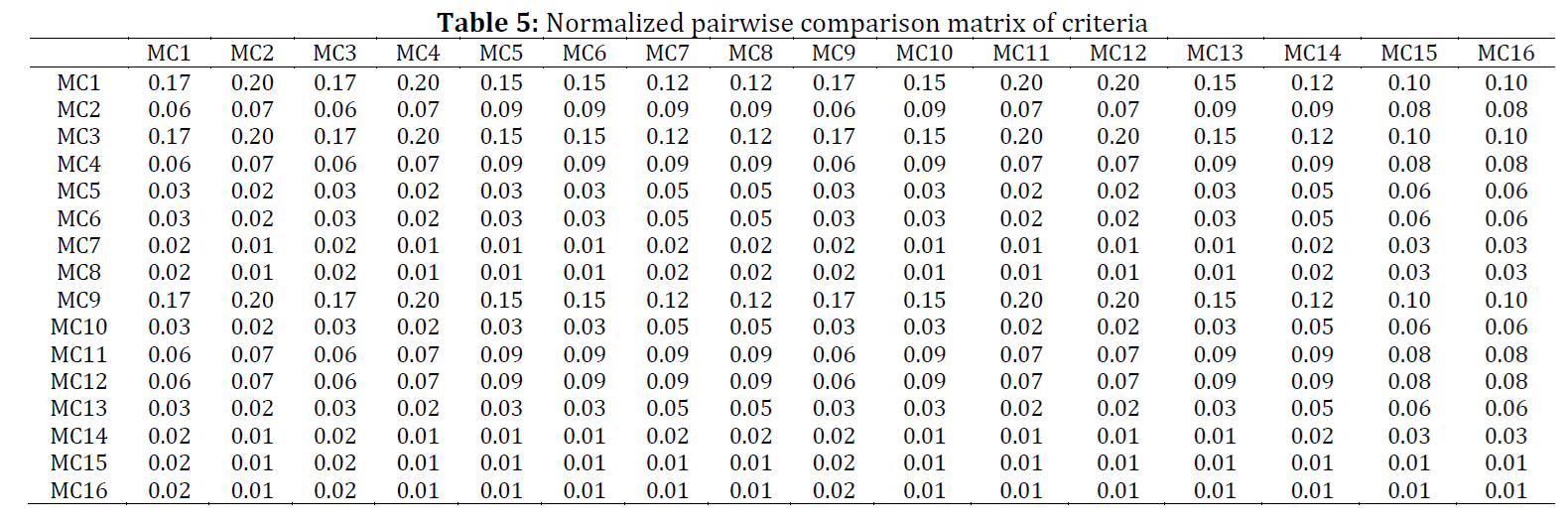
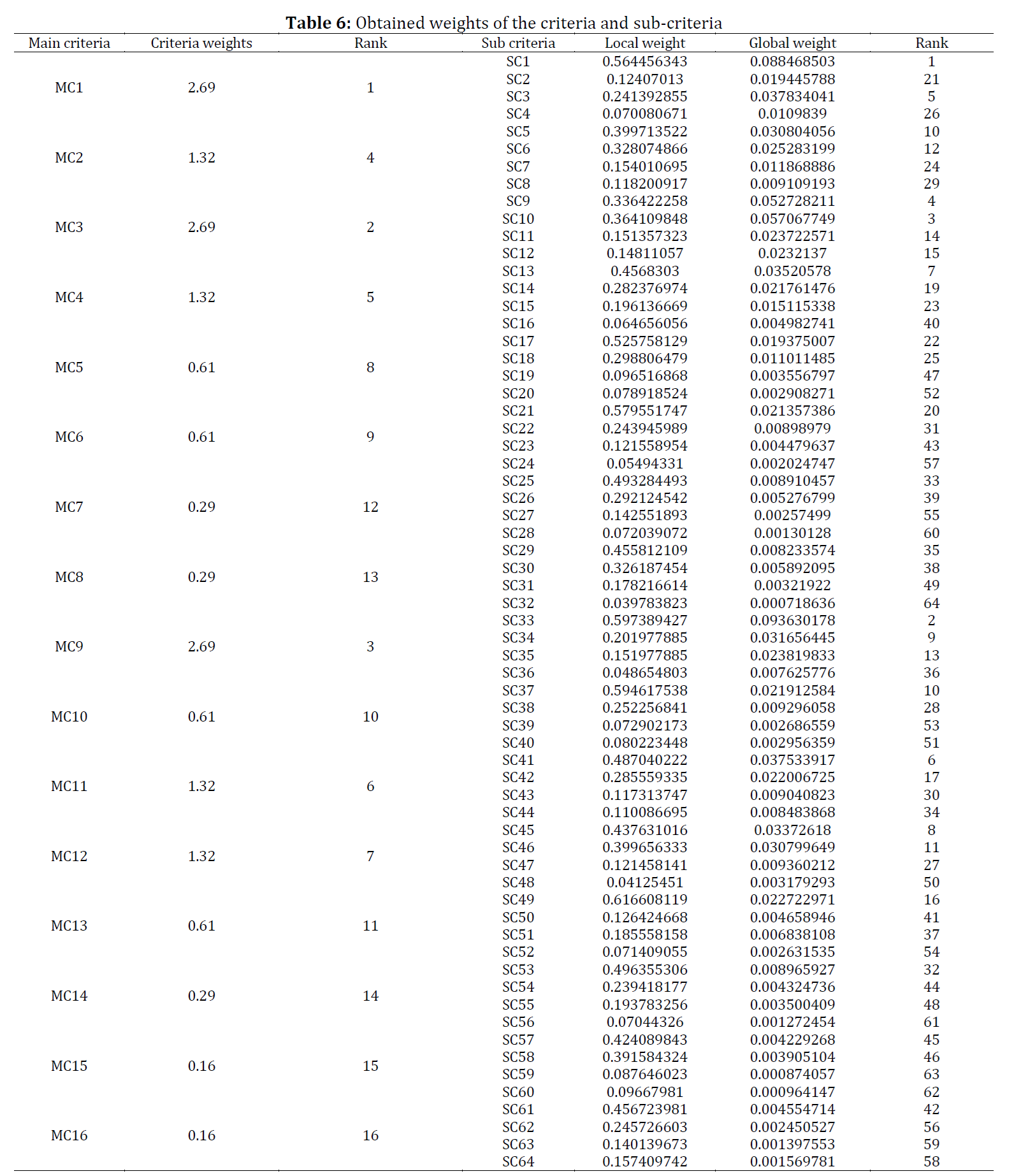
The Sultanate of Oman places strong emphasis on improving education and teacher performance, where teacher appraisal is central to these efforts. This study proposes the TeacherEval system, which integrates the Analytic Hierarchy Process (AHP) and the Technique for Order Preference by Similarity to Ideal Solution (TOPSIS) to evaluate teachers in Omani schools. The system is designed around 16 main criteria, each with four sub-criteria, to provide a detailed and reliable appraisal. AHP determines the weights of the criteria through pairwise comparison, while TOPSIS ranks teachers according to their proximity to an ideal level of performance. The model was tested by educational supervisors in the North Batinah Governorate using the Technology Acceptance Model (TAM) and the System Usability Scale (SUS), and results showed high acceptance, with ratings between 4 and 5 on a five-point Likert scale. The findings confirm the effectiveness and usability of the system, and the study aligns with Oman Vision 2040 by promoting data-driven assessment that supports decision-making, enhances educational quality, and improves transparency and accuracy in teacher evaluations.
© 2025 The Authors. Published by IASE.
This is an
Keywords
Teacher evaluation, Analytic hierarchy process, TOPSIS method, Educational quality, Oman Vision 2040
Article history
Received 7 May 2025, Received in revised form 22 September 2025, Accepted 27 November 2025
Acknowledgment
No Acknowledgment.
Compliance with ethical standards
Ethical considerations
All participants were informed about the purpose of the study, and their consent was obtained prior to participation. No personally identifiable information was collected, and all responses were anonymized and used solely for research purposes.
Conflict of interest: The author(s) declared no potential conflicts of interest with respect to the research, authorship, and/or publication of this article.
Citation:
Abualkishik AM, Mostafa NN, Albrieki A, and Abualkeshek E (2025). TeacherEval: An AHP-TOPSIS system for data-driven teacher evaluation in the Sultanate of Oman. International Journal of Advanced and Applied Sciences, 12(12): 192-206
Figures
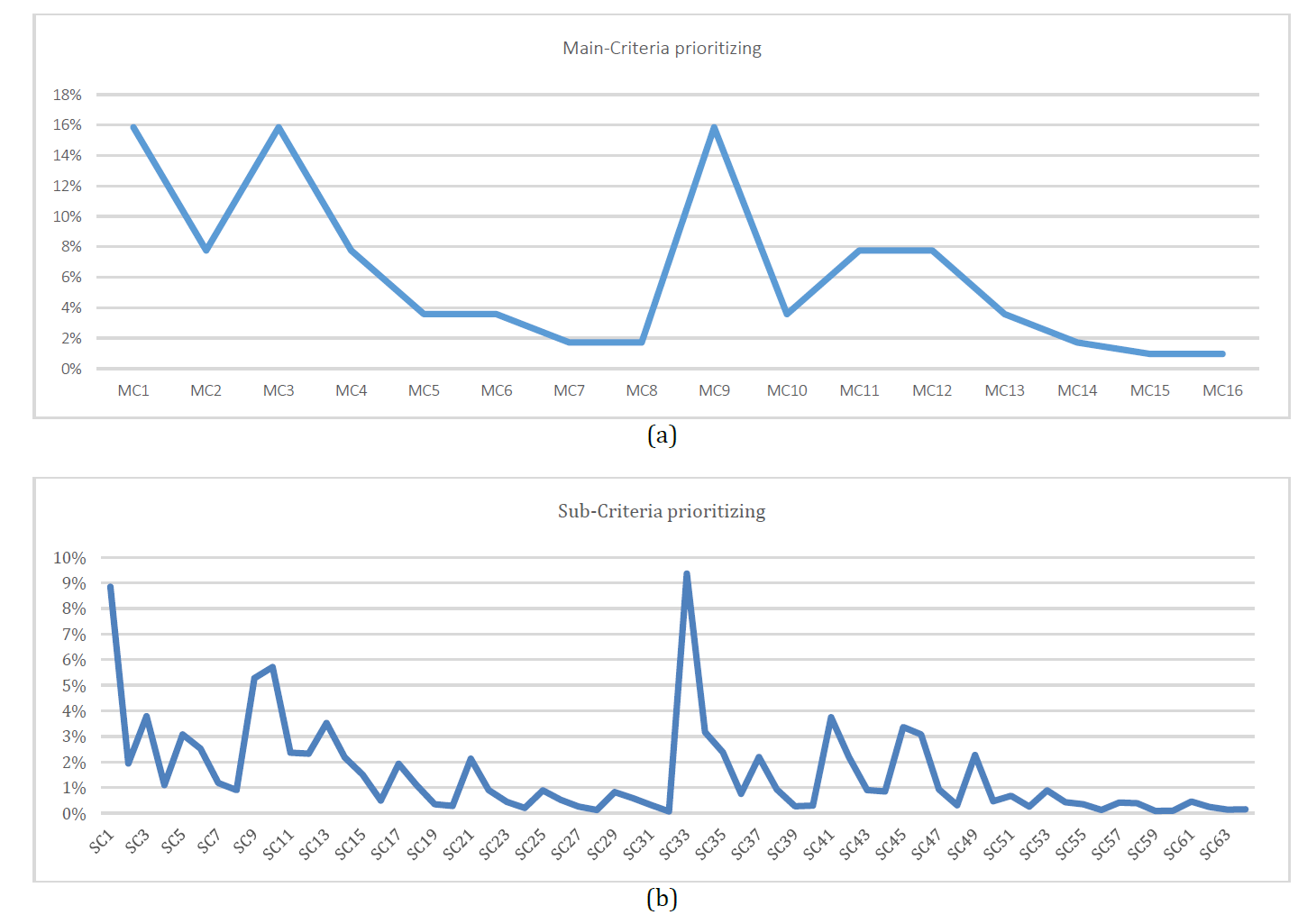
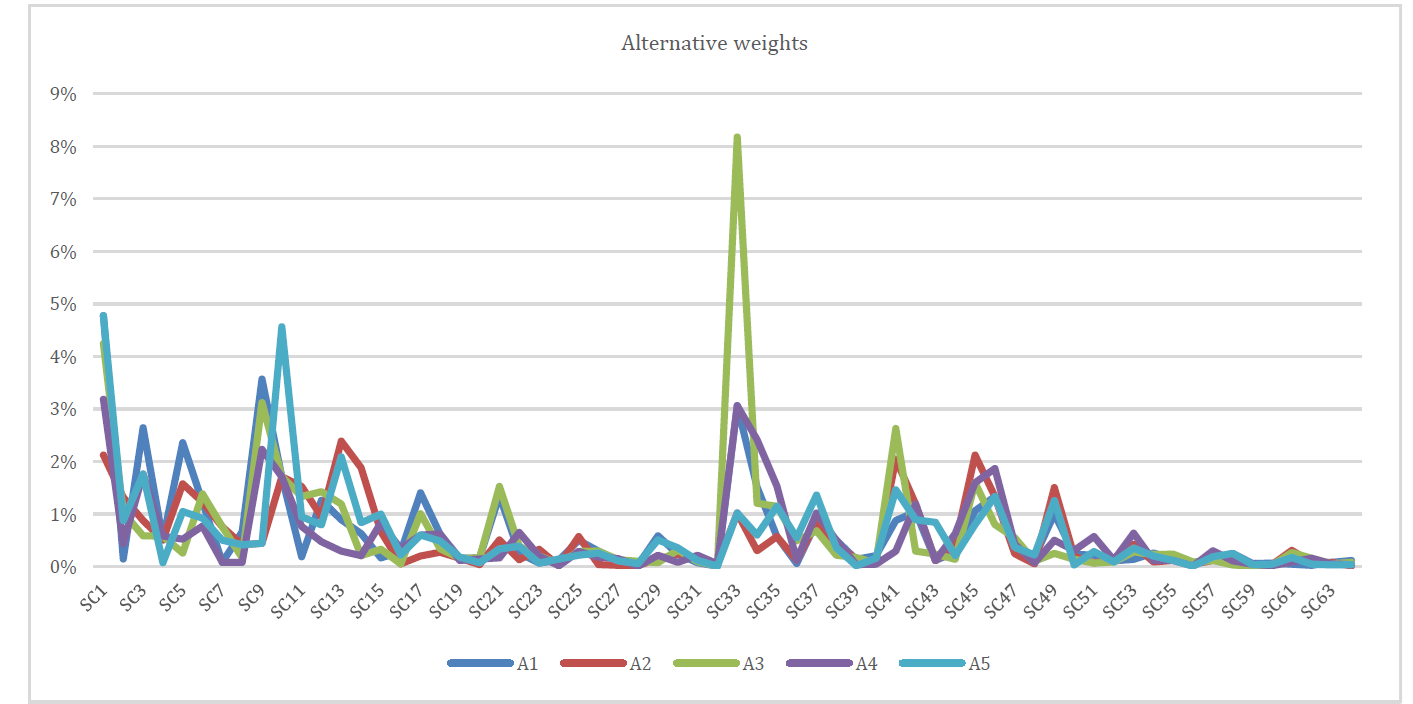
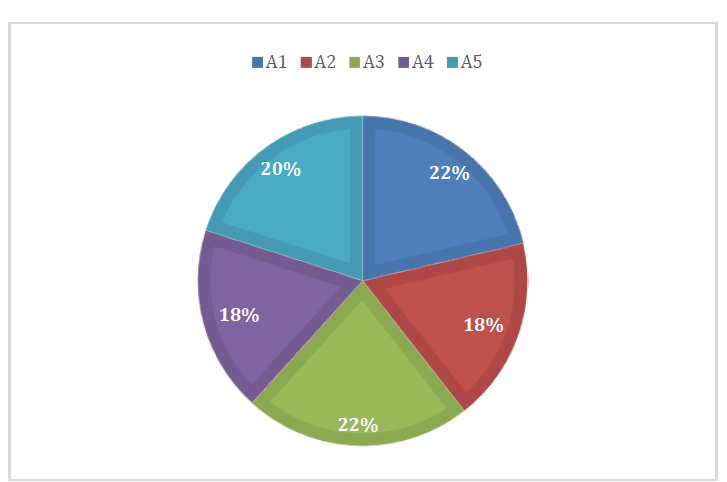
Fig. 1 Fig. 2 Fig. 3 Fig. 4 Fig. 5 Fig. 6 Fig. 7
Tables
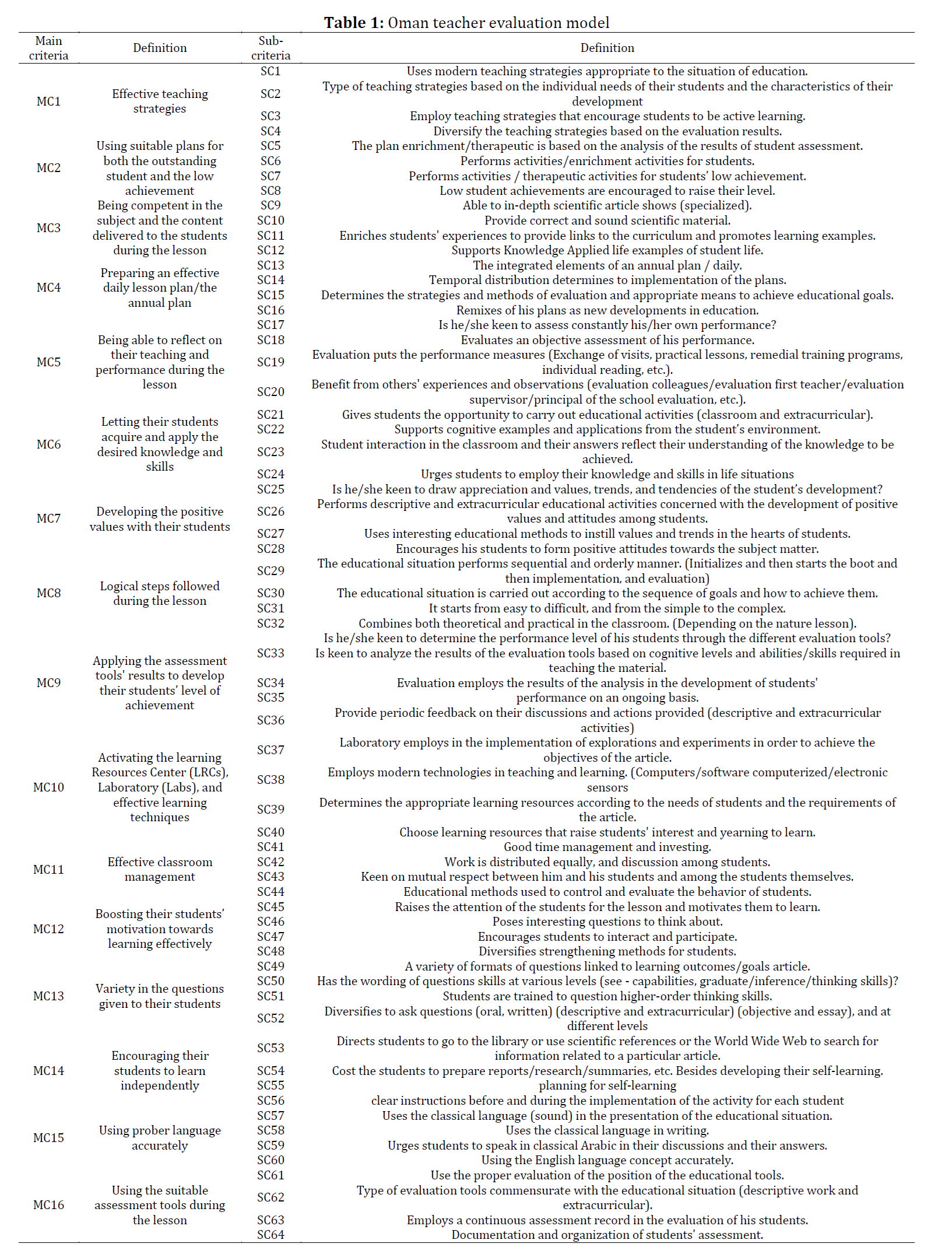
Table 1 Table 2 Table 3 Table 4 Table 5 Table 6 Table 7 Table 8 Table 9 Table 10



----------------------------------------------
References (24)
- Al-Harthi K, Al-Mahdy Y, Al-Fahadi R, and Hammad W (2021). Teachers' professional learning in the Sultanate of Oman: The measurement model and the reality of practice. Journal of Educational Sciences, issued by Qatar University, 18(18): 26-53. https://doi.org/10.29117/jes.2021.0060 [Google Scholar]
- Alonso JA and Lamata MT (2006). Consistency in the analytic hierarchy process: A new approach. International Journal of Uncertainty, Fuzziness and Knowledge-Based Systems, 14(04): 445-459. https://doi.org/10.1142/S0218488506004114 [Google Scholar]
- Al-Yahmadi HH (2013). Teacher evaluation in Oman: Policy, implementation, and challenges. Journal of Educational and Psychological Studies, 7(4): 513-524. https://doi.org/10.12816/0002601 [Google Scholar]
- Brooke J (2013). SUS: A retrospective. Journal of Usability Studies, 8(2): 29-40. [Google Scholar]
- Danielson C (2016). Charlotte Danielson on rethinking teacher evaluation. Education Week, 35(28): 20-24. [Google Scholar]
- Davis FD (1989). Technology acceptance model: TAM. In: Al-Suqri MN and Al-Aufi AS (Eds.), Information seeking behavior and technology adoption. University of Michigan, Ann Arbor, USA. [Google Scholar]
- Do QH, Tran VT, and Tran TT (2024). Evaluating lecturer performance in Vietnam: An application of fuzzy AHP and fuzzy TOPSIS methods. Heliyon, 10(11): e30772. https://doi.org/10.1016/j.heliyon.2024.e30772 [Google Scholar] PMid:38933935 PMCid:PMC11200274
- Dodson RL (2015). Kentucky principal perceptions of the state's new teacher evaluation system: A survey analysis. Educational Research Quarterly, 39(2): 53-74. [Google Scholar]
- Fu Y, Zhang M, Nawaz M, Ali M, and Singh A (2022). Information technology-based revolution in music education using AHP and TOPSIS. Soft Computing, 26(20): 10957-10970. https://doi.org/10.1007/s00500-022-07247-w [Google Scholar]
- Harris DN, Ingle WK, and Rutledge SA (2014). How teacher evaluation methods matter for accountability: A comparative analysis of teacher effectiveness ratings by principals and teacher value-added measures. American Educational Research Journal, 51(1): 73-112. https://doi.org/10.3102/0002831213517130 [Google Scholar]
- Huang Y and Yu J (2025). An integrated plithogenic MCDM approach college English blended teaching quality evaluation. Neutrosophic Sets and Systems, 79: 1. [Google Scholar]
- Hwang CL and Yoon K (1981). Methods for multiple attribute decision making. In: Hwang CL and Yoon K (Eds.), Multiple attribute decision making: Methods and applications a state-of-the-art survey: 58-191. Springer, Berlin, Germany. https://doi.org/10.1007/978-3-642-48318-9 [Google Scholar]
- Kukreja V, Jain AK, Singh A, Kaushal RK, and Aggarwal A (2023). Analysing moderators and critical factors that affect early childhood education with the usage of touchscreen contrivances: A hybrid fuzzy AHP—fuzzy TOPSIS approach. Education and Information Technologies, 28: 5621-5650. https://doi.org/10.1007/s10639-022-11379-9 [Google Scholar]
- Madanchian M and Taherdoost H (2023). A comprehensive guide to the TOPSIS method for multi-criteria decision making. Sustainable Social Development, 1(1): 2220. https://doi.org/10.54517/ssd.v1i1.2220 [Google Scholar]
- Marzano RJ and Toth MD (2013). Teacher evaluation that makes a difference: A new model for teacher growth and student achievement. Association for Supervision and Curriculum Development (ASCD), Arlington, USA. [Google Scholar]
- MOE (2025). School education in the Sultanate of Oman. Ministry of Education, Muscat, Oman.
- Özcan EC, Ünlüsoy S, and Eren T (2017). A combined goal programming–AHP approach supported with TOPSIS for maintenance strategy selection in hydroelectric power plants. Renewable and Sustainable Energy Reviews, 78: 1410-1423. https://doi.org/10.1016/j.rser.2017.04.039 [Google Scholar]
- Roszkowska E and Filipowicz-Chomko M (2024). A multi-criteria method integrating distances to ideal and anti-ideal points. Symmetry, 16(8): 1025. https://doi.org/10.3390/sym16081025 [Google Scholar]
- Saaty TL (2000). Fundamentals of decision making with the analytic hierarchy process. RWS Publications, Pittsburgh, USA. [Google Scholar]
- Saaty TL (2002). Decision making with the analytic hierarchy process. Scientia Iranica, 9(3): 215-229. [Google Scholar]
- Saaty TL (2008). Decision making with the analytic hierarchy process. International Journal of Services Sciences, 1(1): 83-98. https://doi.org/10.1504/IJSSCI.2008.017590 [Google Scholar]
- Schleicher A (2012). Preparing teachers and developing school leaders for the 21st century: Lessons from around the world. OECD Publishing, Paris, France. https://doi.org/10.1787/9789264174559-en [Google Scholar]
- Vlachogianni P and Tselios N (2022). Perceived usability evaluation of educational technology using the system usability scale (SUS): A systematic review. Journal of Research on Technology in Education, 54(3): 392-409. https://doi.org/10.1080/15391523.2020.1867938 [Google Scholar]
- WBG (2025). Education in Oman: The drive for quality (Vol. 2 of 2): Main report (English). World Bank Group, Washington, USA.