
International
ADVANCED AND APPLIED SCIENCES
EISSN: 2313-3724, Print ISSN: 2313-626X
Frequency: 12


Volume 12, Issue 12 (December 2025), Pages: 142-157

----------------------------------------------
Original Research Paper
A recurrent neural network model for detecting fake news on social media
Author(s):
Affiliation(s):
1Department of Computer Science & Engineering, Sharda School of Engineering & Technology, Sharda University, Greater Noida, Uttar Pradesh, India
2Department of CSE, Graphic Era Hill University, Dehradun, India
3Chitkara University Institute of Engineering and Technology, Chitkara University, Rajpura, India
4College of Engineering, Alfaisal University, Riyadh, Saudi Arabia
5School of Computing, Gachon University, Seongnam-si 13120, South Korea
6Faculty of Engineering, Uni de Moncton, Moncton, NB E1A3E9, Canada
7School of Electrical Engineering, University of Johannesburg, Johannesburg, South Africa
8International Institute of Technology and Management (IITG), Av. Grandes Ecoles, Libreville BP 1989, Gabon
9Bridges for Academic Excellence-Spectrum, Tunis, Tunisia
Full text

* Corresponding Author.
 Corresponding author's ORCID profile: https://orcid.org/0000-0001-5203-0621
Digital Object Identifier (DOI)
https://doi.org/10.21833/ijaas.2025.12.014
Abstract
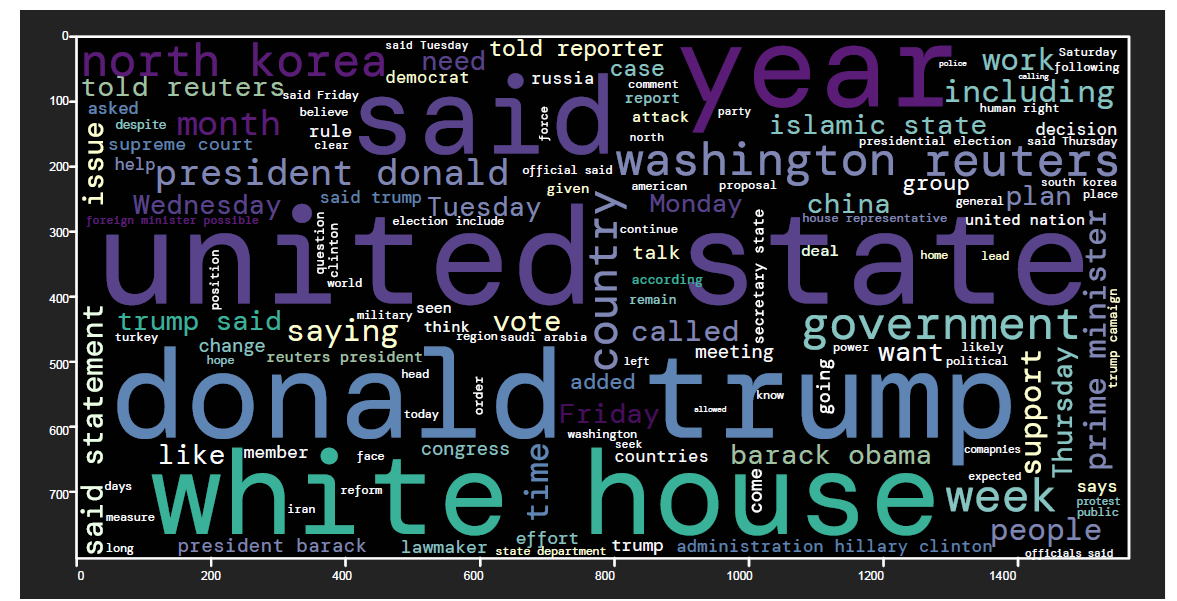
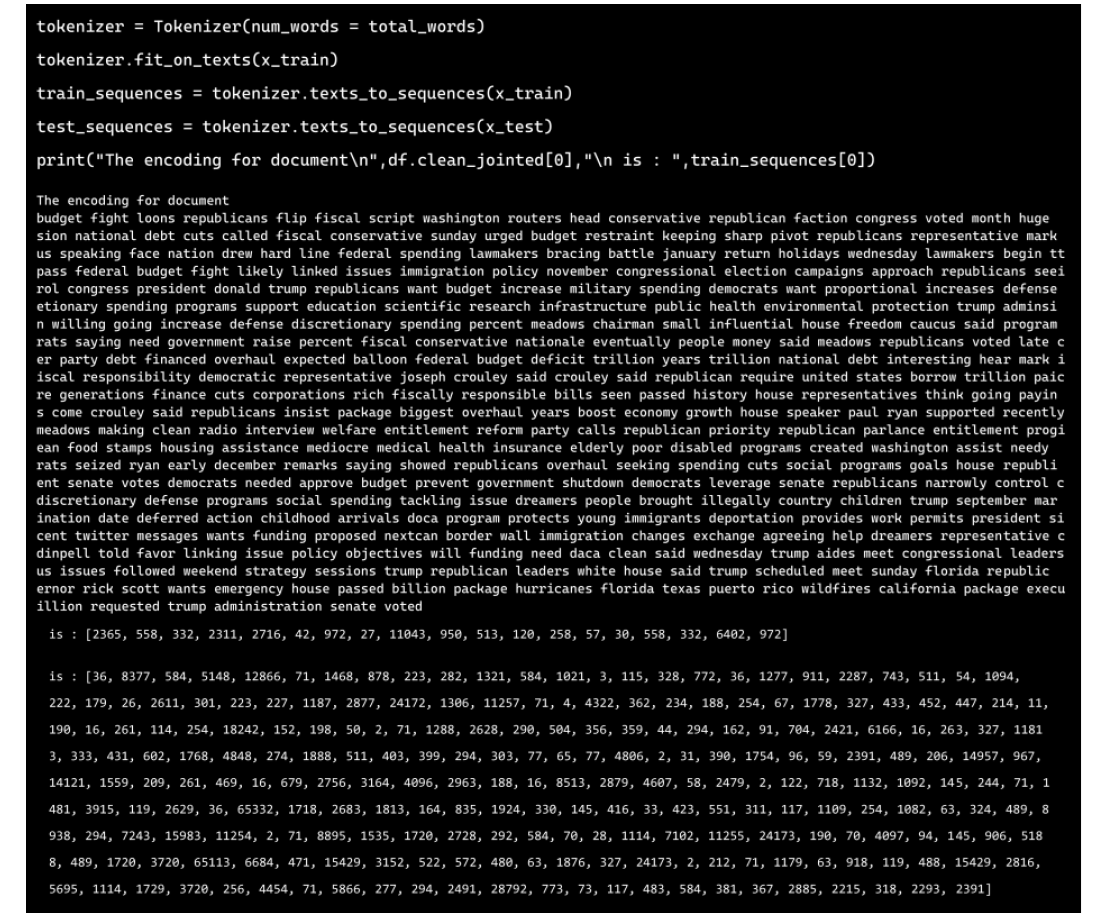
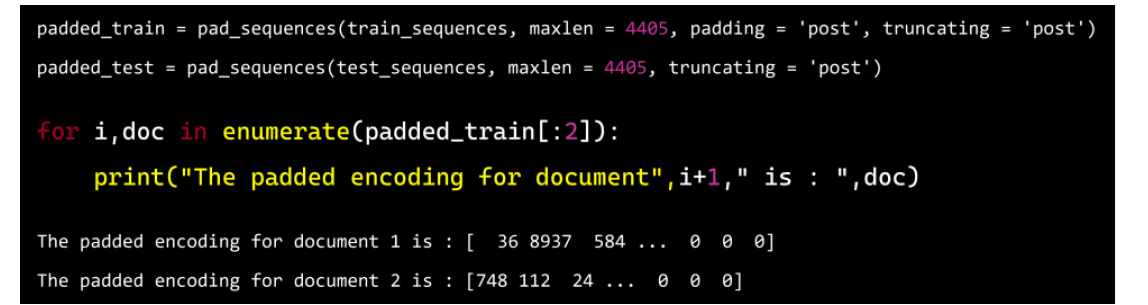
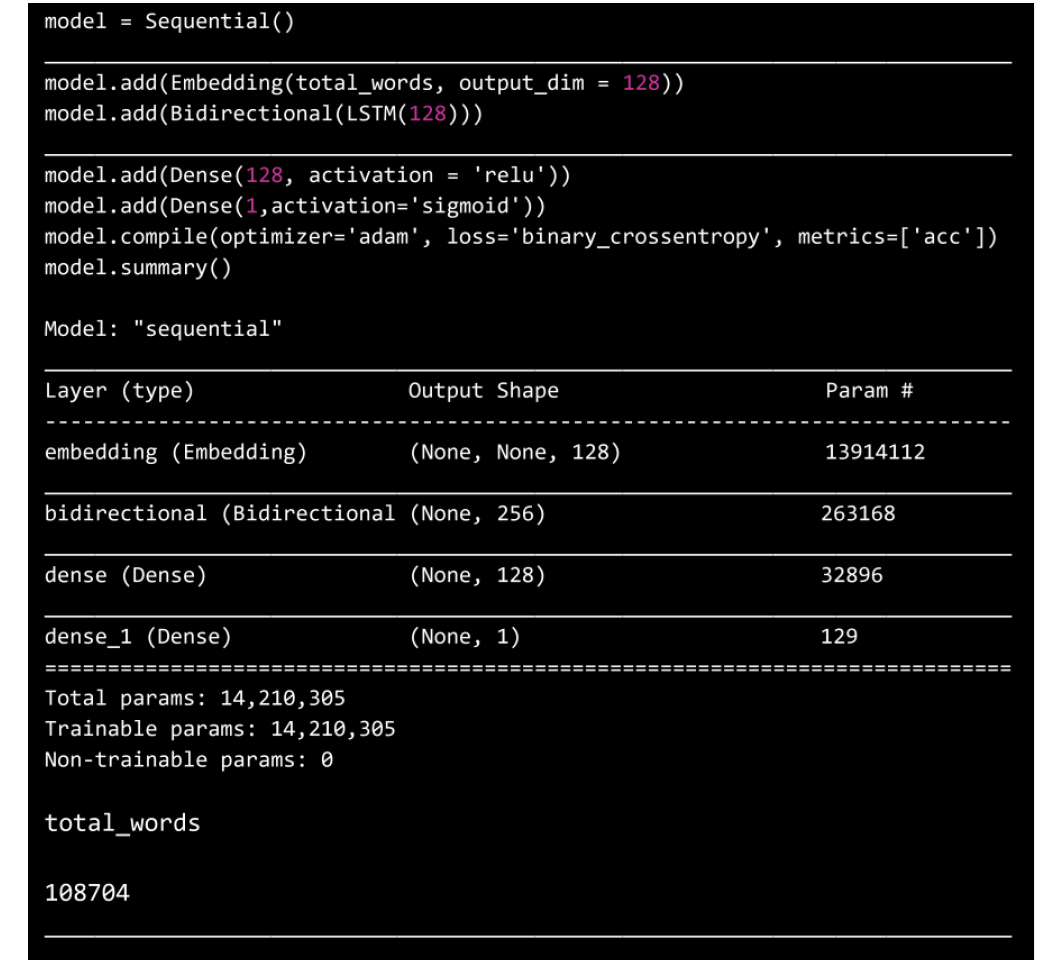
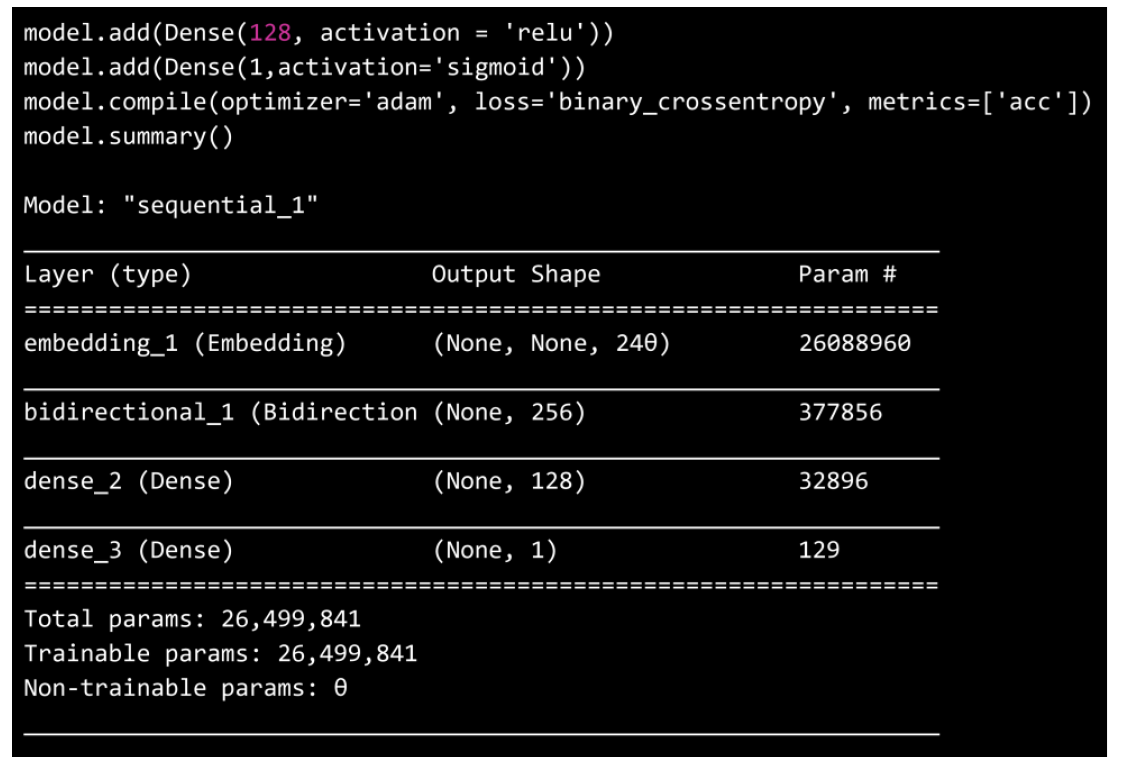
The growing popularity of social media platforms for sharing news and videos has made it easier for users to access and share information instantly. However, verifying the credibility of such content remains a significant challenge. These platforms enable the rapid spread of fake news, which often leads to the distribution of inaccurate information. Since social media content is largely unrestricted, users frequently share news without verifying its source or accuracy, causing fake news to spread quickly and sometimes go viral. This can have harmful effects on society. Therefore, it is essential to ensure that the news shared on social media is accurate to prevent users from being misinformed, which is crucial for positive social development. This study proposes a recurrent neural network model using artificial intelligence and machine learning to detect and verify fake news on social media. The framework includes steps such as defining the problem, using datasets labeled as "fake" and "true," and applying natural language processing techniques. The authors conducted data cleaning, feature engineering, and visualization of real and fake news before converting text into tokens. The proposed model achieved a high accuracy of 99.96% with a minimal loss of 0.0083 after processing over 14 million tokens using 128 layers.
© 2025 The Authors. Published by IASE.
This is an
Keywords
Fake news detection, Social media credibility, Recurrent neural network, Machine learning model, Natural language processing
Article history
Received 17 August 2024, Received in revised form 5 January 2025, Accepted 24 November 2025
Acknowledgment
No Acknowledgment.
Compliance with ethical standards
Conflict of interest: The author(s) declared no potential conflicts of interest with respect to the research, authorship, and/or publication of this article.
Citation:
Kaushik K, Chhabra G, Bharany S, Guizani S, Rehman AU, and Hamam H (2025). A recurrent neural network model for detecting fake news on social media. International Journal of Advanced and Applied Sciences, 12(12): 142-157
Figures
Fig. 1 Fig. 2 Fig. 3 Fig. 4 Fig. 5 Fig. 6 Fig. 7 Fig. 8 Fig. 9 Fig. 10 Fig. 11 Fig. 12 Fig. 13
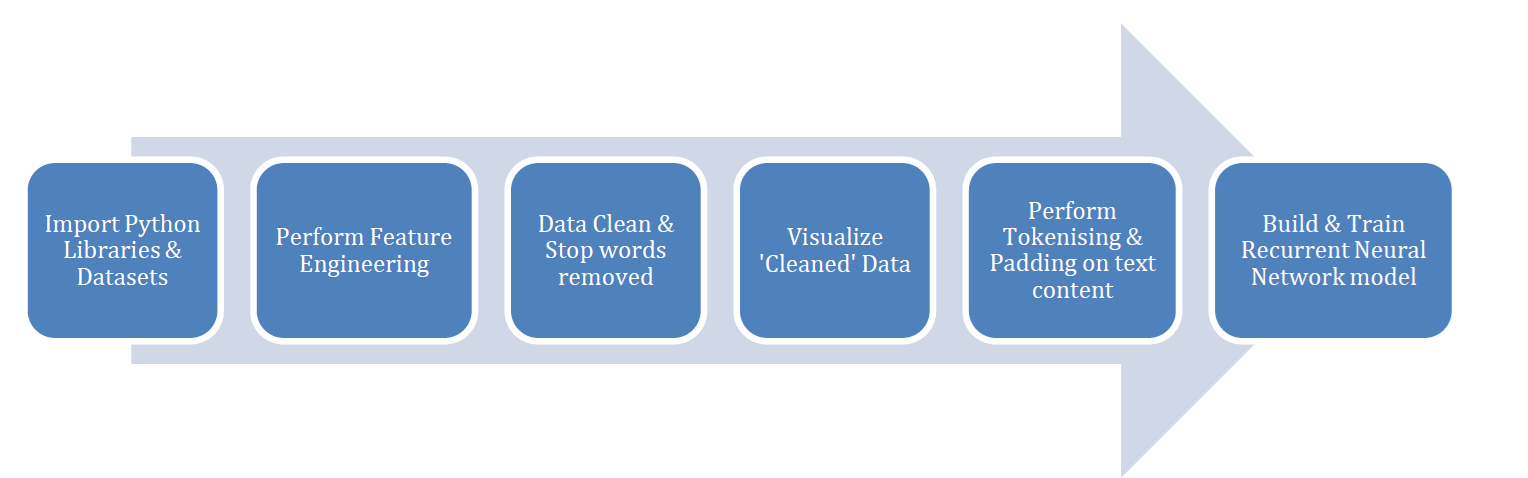
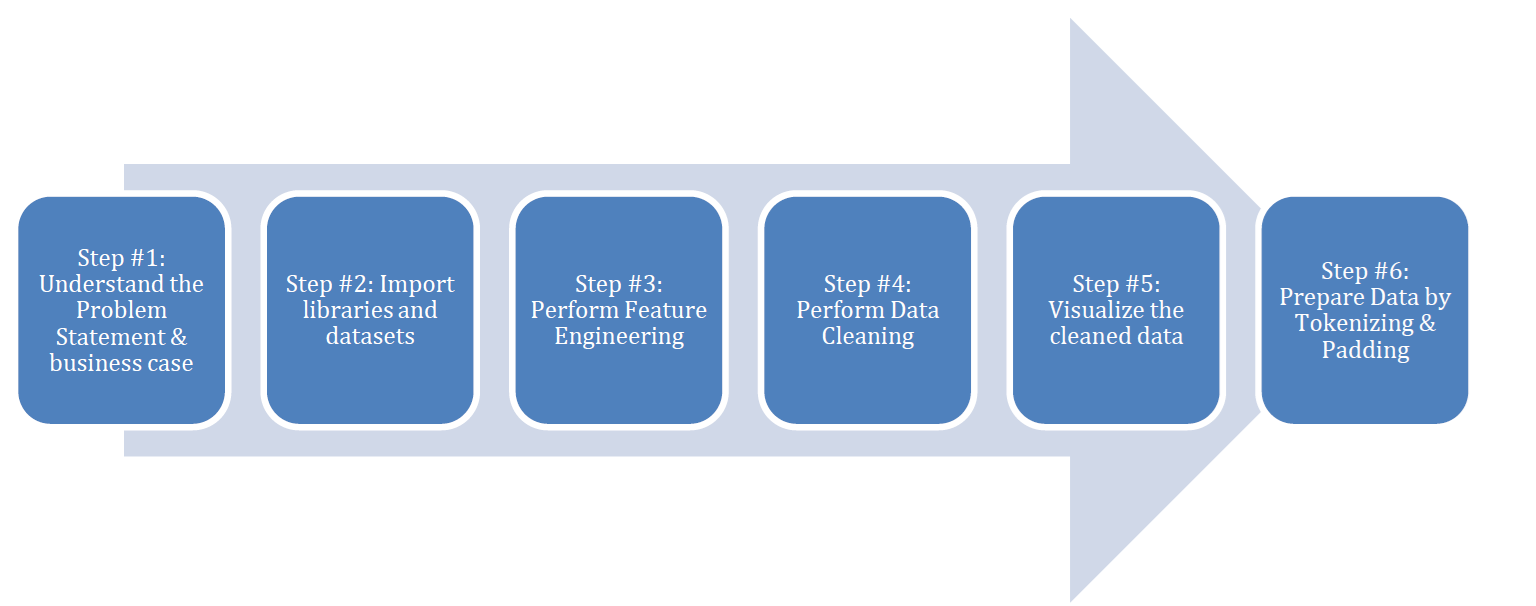



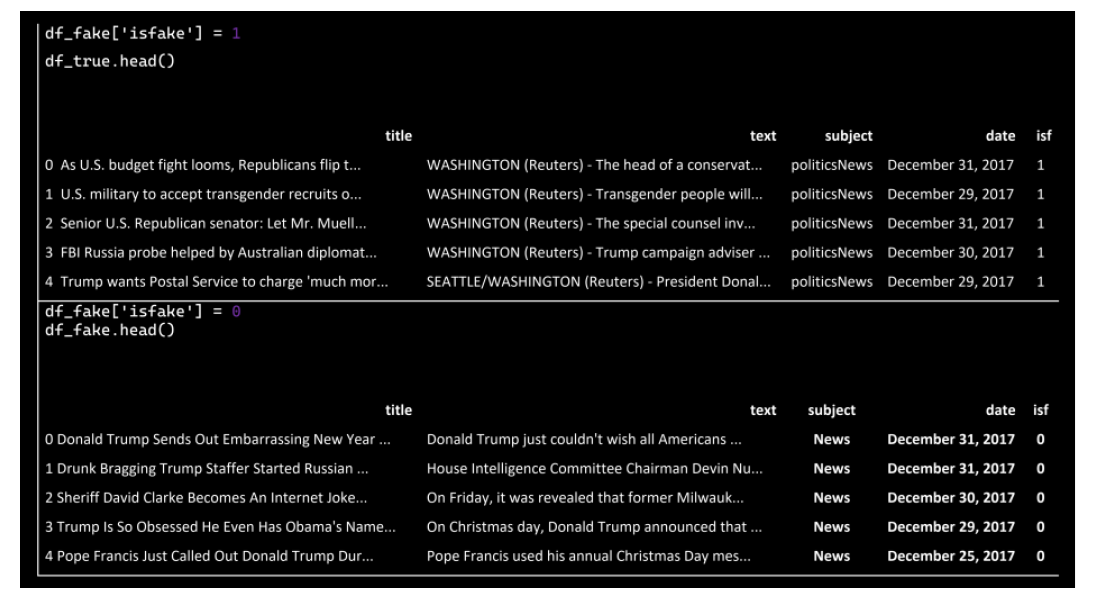
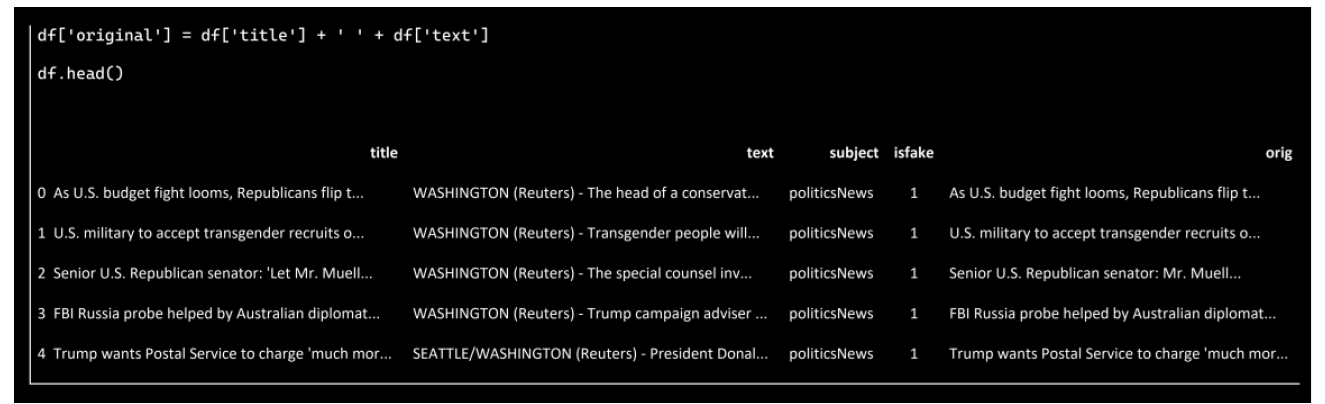
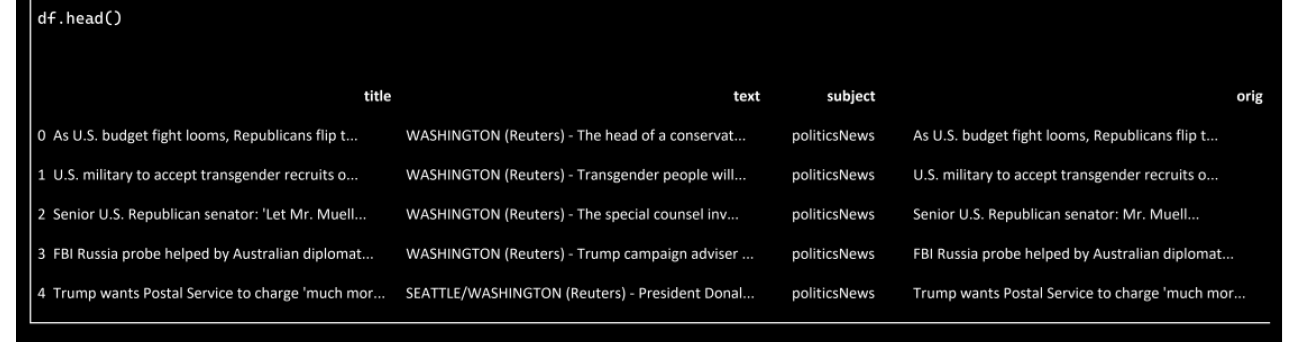
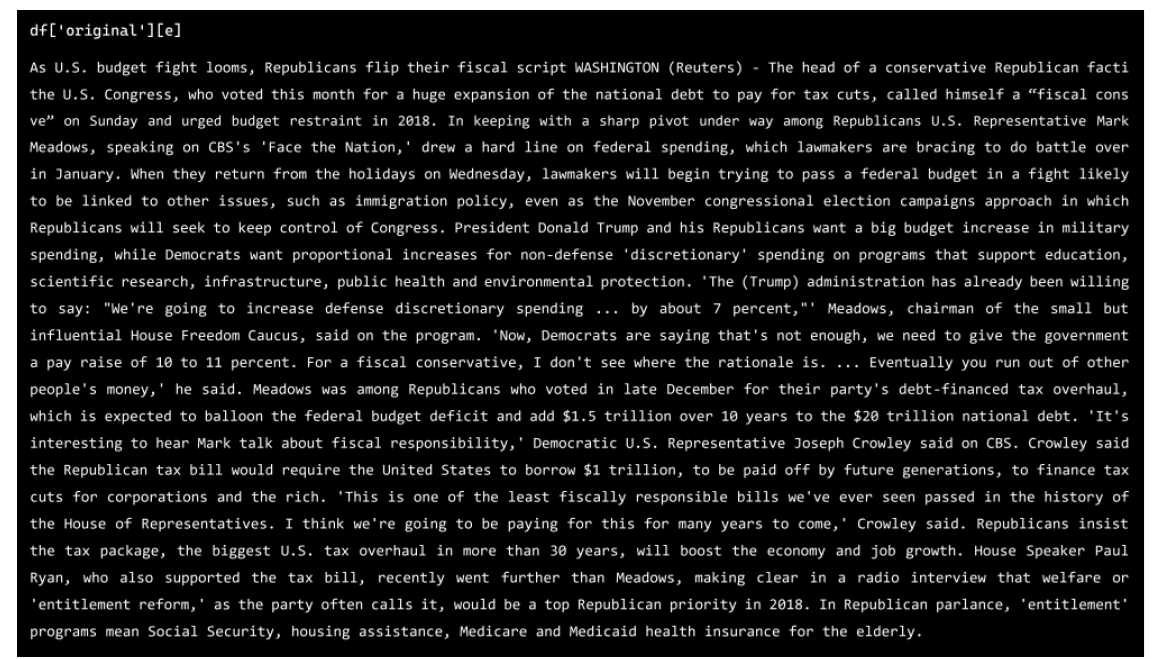
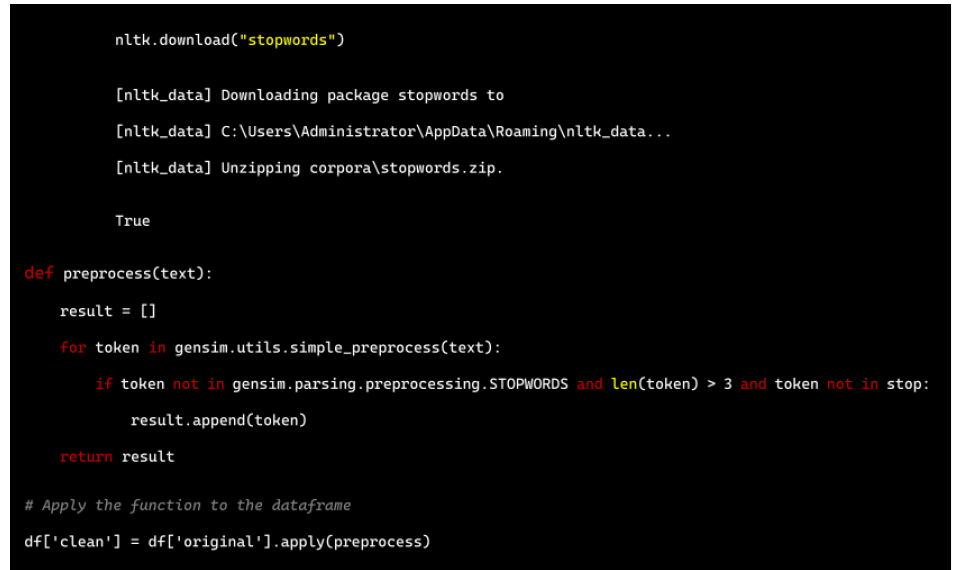
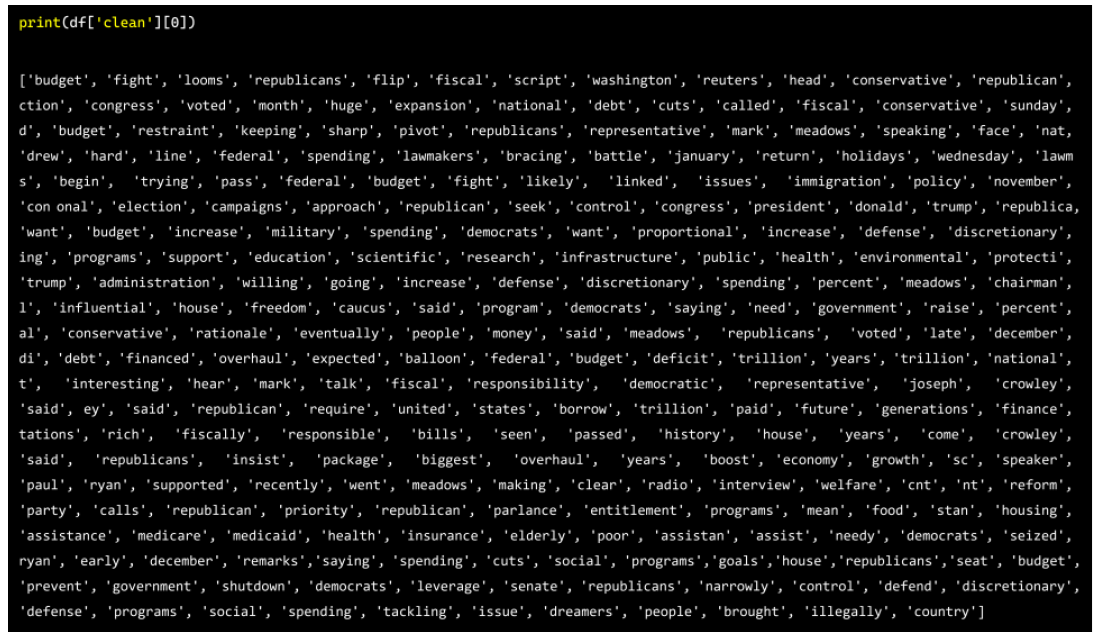
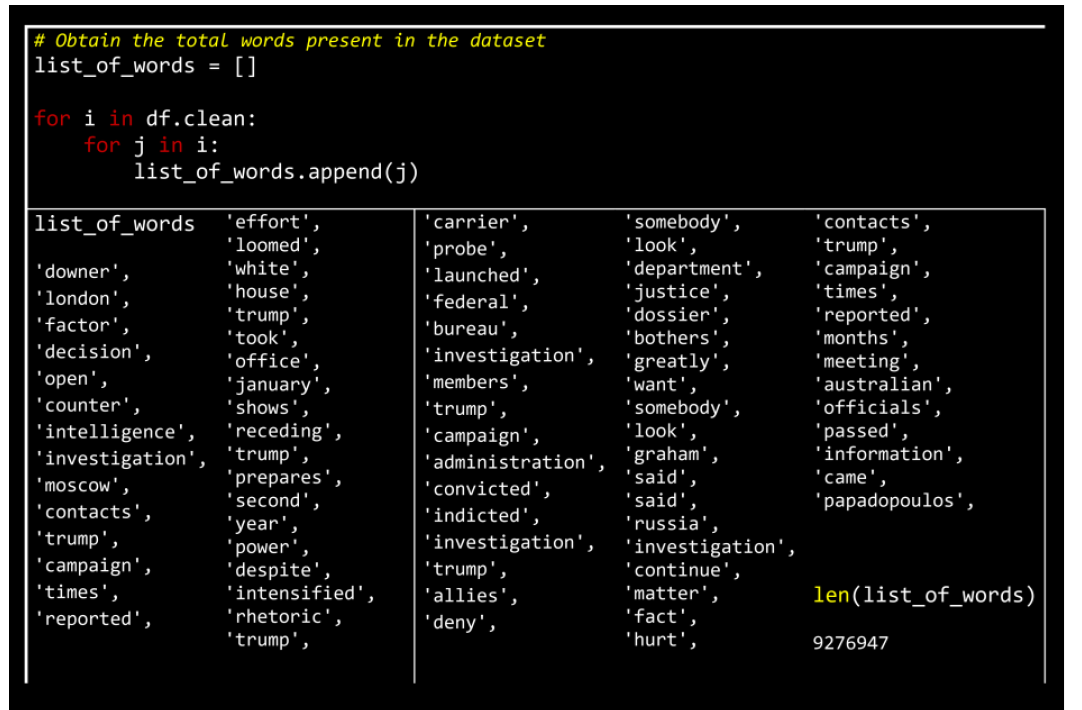

Fig. 14 Fig. 15 Fig. 16 Fig. 17 Fig. 18 Fig. 19 Fig. 20 Fig. 21 Fig. 22 Fig. 23 Fig. 24



Tables

----------------------------------------------
References (35)
- Ahmad I, Yousaf M, Yousaf S, and Ahmad MO (2020). Fake news detection using machine learning ensemble methods. Complexity, 2020: 8885861. https://doi.org/10.1155/2020/8885861 [Google Scholar]
- Alonso MA, Vilares D, Gómez-Rodríguez C, and Vilares J (2021). Sentiment analysis for fake news detection. Electronics, 10(11): 1348. https://doi.org/10.3390/electronics10111348 [Google Scholar]
- Ashraf N, Butt S, Sidorov G, and Gelbukh AF (2021). CIC at CheckThat! 2021: Fake news detection using machine learning and data augmentation. In the Conference and Labs of the Evaluation Forum, CEUR Workshop Proceedings, Bucharest, Romania: 446-454. [Google Scholar]
- Bhogade M, Deore B, Sharma A, Sonawane O, and Singh M (2021). A review paper on fake news detection. International Journal of Advance Scientific Research and Engineering Trends, 6(5): 94-96. [Google Scholar]
- Cao J, Qi P, Sheng Q, Yang T, Guo J, and Li J (2020). Exploring the role of visual content in fake news detection. In: Shu K, Wang S, Lee D, and Liu H (Eds.), Disinformation, misinformation, and fake news in social media: Emerging research challenges and opportunities: 141-161. Springer, Cham, Switzerland. https://doi.org/10.1007/978-3-030-42699-6_8 [Google Scholar]
- Chauhan T and Palivela H (2021). Optimization and improvement of fake news detection using deep learning approaches for societal benefit. International Journal of Information Management Data Insights, 1(2): 100051. https://doi.org/10.1016/j.jjimei.2021.100051 [Google Scholar]
- da Silva FCD, Vieira R, and Garcia AC (2019). Can machines learn to detect fake news? A survey focused on social media. In the Proceedings of the 52nd Hawaii International Conference on System Sciences, HICSS 2019, Grand Wailea, Maui, HI, USA: 8–11. https://doi.org/10.24251/HICSS.2019.332 [Google Scholar]
- Divya TV and Banik BG (2021). A walk through various paradigms for fake news detection on social media. In the Proceedings of International Conference on Computational Intelligence and Data Engineering. Lecture Notes on Data Engineering and Communications Technologies, Springer, Singapore, Singapore, 56: 173–183. https://doi.org/10.1007/978-981-15-8767-2_16 [Google Scholar]
- Guefrechi S, Jabra MB, and Hamam H (2022). DeepFake video detection using InceptionResnetV2. In the 6th International Conference on Advanced Technologies for Signal and Image Processing, IEEE, Sfax, Tunisia: 1-6. https://doi.org/10.1109/ATSIP55956.2022.9805902 [Google Scholar]
- Ishfaq U, Shabbir D, Khan J, Khan HU, Naseer S, Irshad A, Shafiq M, and Hamam H (2022). Empirical analysis of machine learning algorithms for multiclass prediction. Wireless Communications and Mobile Computing, 2022: 7451152. https://doi.org/10.1155/2022/7451152 [Google Scholar]
- Kaliyar RK, Goswami A, and Narang P (2021). DeepFakE: Improving fake news detection using tensor decomposition-based deep neural network. The Journal of Supercomputing, 77: 1015-1037. https://doi.org/10.1007/s11227-020-03294-y [Google Scholar]
- Kaliyar RK, Goswami A, Narang P, and Sinha S (2020). FNDNet–A deep convolutional neural network for fake news detection. Cognitive Systems Research, 61: 32-44. https://doi.org/10.1016/j.cogsys.2019.12.005 [Google Scholar]
- Karwa RR and Gupta SR (2021). Artificial intelligence based approach to validate the authenticity of news. In the International Conference on Advances in Electrical, Computing, Communication and Sustainable Technologies, IEEE, Bhilai, India: 1-6. https://doi.org/10.1109/ICAECT49130.2021.9392456 [Google Scholar]
- Kaur S, Gupta S, Singh S, and Gupta I (2022). Detection of Alzheimer's disease using deep convolutional neural network. International Journal of Image and Graphics, 22(3): 2140012. https://doi.org/10.1142/S021946782140012X [Google Scholar]
- Khanam Z, Alwasel BN, Sirafi H, and Rashid M (2021). Fake news detection using machine learning approaches. IOP Conference Series: Materials Science and Engineering, 1099(1): 012040. https://doi.org/10.1088/1757-899X/1099/1/012040 [Google Scholar]
- Kumar S, Kumar S, Yadav P, and Bagri M (2021). A survey on analysis of fake news detection techniques. In the International Conference on Artificial Intelligence and Smart Systems, IEEE, Coimbatore, India: 894-899. https://doi.org/10.1109/ICAIS50930.2021.9395978 [Google Scholar]
- Madhubala M, Yadav AK, Sucharitha G, and Praveen Kumar DP (2021). A deep learning based algorithm design for fake news detection framework. Annals of the Romanian Society for Cell Biology, 25(6): 4182–4192. [Google Scholar]
- Mridha MF, Keya AJ, Hamid MA, Monowar MM, and Rahman MS (2021). A comprehensive review on fake news detection with deep learning. IEEE Access, 9: 156151-156170. https://doi.org/10.1109/ACCESS.2021.3129329 [Google Scholar]
- Nasir JA, Khan OS, and Varlamis I (2021). Fake news detection: A hybrid CNN-RNN based deep learning approach. International Journal of Information Management Data Insights, 1(1): 100007. https://doi.org/10.1016/j.jjimei.2020.100007 [Google Scholar]
- Ozbay FA and Alatas B (2020). Fake news detection within online social media using supervised artificial intelligence algorithms. Physica A: Statistical Mechanics and Its Applications, 540: 123174. https://doi.org/10.1016/j.physa.2019.123174 [Google Scholar]
- Qi P, Cao J, Yang T, Guo J, and Li J (2019). Exploiting multi-domain visual information for fake news detection. In the IEEE International Conference on Data Mining, IEEE, Beijing, China: 518-527. https://doi.org/10.1109/ICDM.2019.00062 [Google Scholar] PMid:31417497 PMCid:PMC6684945
- Raza S and Ding C (2022). Fake news detection based on news content and social contexts: A transformer-based approach. International Journal of Data Science and Analytics, 13: 335–362. https://doi.org/10.1007/s41060-021-00302-z [Google Scholar] PMid:35128038 PMCid:PMC8800852
- Rehman AU, Jiang A, Rehman A, Paul A, Din S, and Sadiq MT (2023). Identification and role of opinion leaders in information diffusion for online discussion network. Journal of Ambient Intelligence and Humanized Computing, 14: 15301-15313. https://doi.org/10.1007/s12652-019-01623-5 [Google Scholar]
- Reis JCS, Correia A, Murai F, Veloso A, Benevenuto F, and Cambria E (2019). Supervised learning for fake news detection. IEEE Intelligent Systems, 34(2): 76–81. https://doi.org/10.1109/MIS.2019.2899143 [Google Scholar]
- Reshmi TS, Raja SDM, and Priya J (2021). Fake news detection using source information and Bayes classifier. IOP Conference Series: Materials Science and Engineering, 1084: 012010. https://doi.org/10.1088/1757-899X/1084/1/012010 [Google Scholar]
- Sahoo SR and Gupta BB (2021). Multiple features based approach for automatic fake news detection on social networks using deep learning. Applied Soft Computing, 100: 106983. https://doi.org/10.1016/j.asoc.2020.106983 [Google Scholar]
- Selvanarayanan R, Rajendran S, Algburi S, Ibrahim Khalaf O, and Hamam H (2024). Empowering coffee farming using counterfactual recommendation based RNN driven IoT integrated soil quality command system. Scientific Reports, 14: 6269. https://doi.org/10.1038/s41598-024-56954-x [Google Scholar] PMid:38491134 PMCid:PMC10943048
- Sharma S, Gupta S, Gupta D, Rashid J, Juneja S, Kim J, and Elarabawy MM (2022). Performance evaluation of the deep learning based convolutional neural network approach for the recognition of chest X-ray images. Frontiers in Oncology, 12: 932496. https://doi.org/10.3389/fonc.2022.932496 [Google Scholar] PMid:35847931 PMCid:PMC9277772
- Singhal S, Shah RR, Chakraborty T, Kumaraguru P, and Satoh SI (2019). SpotFake: A multi-modal framework for fake news detection. In the IEEE 5th International Conference on Multimedia Big Data, IEEE, Singapore, Singapore: 39-47. https://doi.org/10.1109/BigMM.2019.00-44 [Google Scholar] PMid:31931995
- Song C, Shu K, and Wu B (2021). Temporally evolving graph neural network for fake news detection. Information Processing and Management, 58(6): 102712. https://doi.org/10.1016/j.ipm.2021.102712 [Google Scholar]
- Wani A, Joshi I, Khandve S, Wagh V, and Joshi R (2021). Evaluating deep learning approaches for COVID19 fake news detection. In: Chakraborty T, Shu K, Bernard HR, Liu H, and Akhtar MS (Eds.), Combating online hostile posts in regional languages during emergency situation: Communications in computer and information science: 153–163. Volume 1402, Springer, Cham, Switzerland. https://doi.org/10.1007/978-3-030-73696-5_15 [Google Scholar]
- Yang S, Shu K, Wang S, Gu R, Wu F, and Liu H (2019). Unsupervised fake news detection on social media: A generative approach. Proceedings of the AAAI Conference on Artificial Intelligence, 33(1): 5644–5651. https://doi.org/10.1609/aaai.v33i01.33015644 [Google Scholar]
- Yuan H, Zheng J, Ye Q, Qian Y, and Zhang Y (2021). Improving fake news detection with domain-adversarial and graph-attention neural network. Decision Support Systems, 151: 113633. https://doi.org/10.1016/j.dss.2021.113633 [Google Scholar]
- Zhang Q, Guo Z, Zhu Y, Vijayakumar P, Castiglione A, and Gupta BB (2023). A deep learning-based fast fake news detection model for cyber-physical social services. Pattern Recognition Letters, 168: 31-38. https://doi.org/10.1016/j.patrec.2023.02.026 [Google Scholar]
- Zhou X, Wu J, and Zafarani R (2020). Similarity-aware multi-modal fake news detection. In: Lauw H, Wong RW, Ntoulas A, Lim EP, Ng SK, and Pan S (Eds.), Advances in knowledge discovery and data mining: Lecture notes in computer science: 354-367. Volume 12085, Springer, Cham, Switzerland. https://doi.org/10.1007/978-3-030-47436-2_27 [Google Scholar] PMCid:PMC7206257